2019
VisitedKorea
Comfort food, forest air, and one conversation I still carry.
Trip snapshot
What stayed
Gwangjang after a red-eye, the Donghwasa forest, an older man who became an unexpected guide, Gyeongju after dark, long Jeju bus rides, and the sea at Busan.
Food memory
Market noodles, tteokbokki, gimbap, mandu, Jeonju bibimbap, and food that felt like a welcome.
Why it hit
Korea made history feel human, while the quieter parts of the trip kept landing harder.
Shape of the trip
Seoul arrival shock → Jeonju food and quiet streets → Donghwasa forest and conversation → Gyeongju at night → Jeju food, buses, and coast → Busan sea and goodbye.
01
Seoul
Arrival by impact.
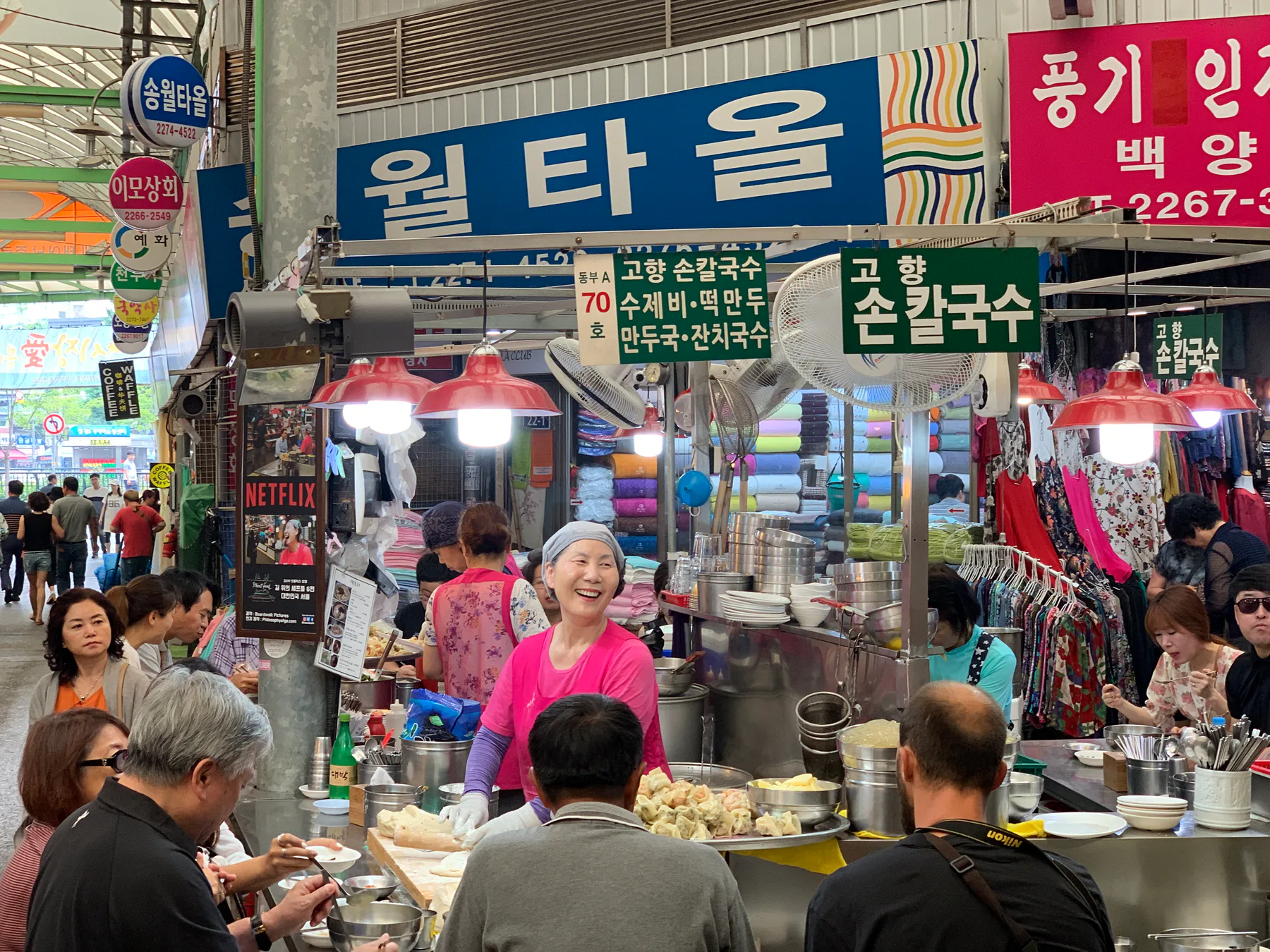
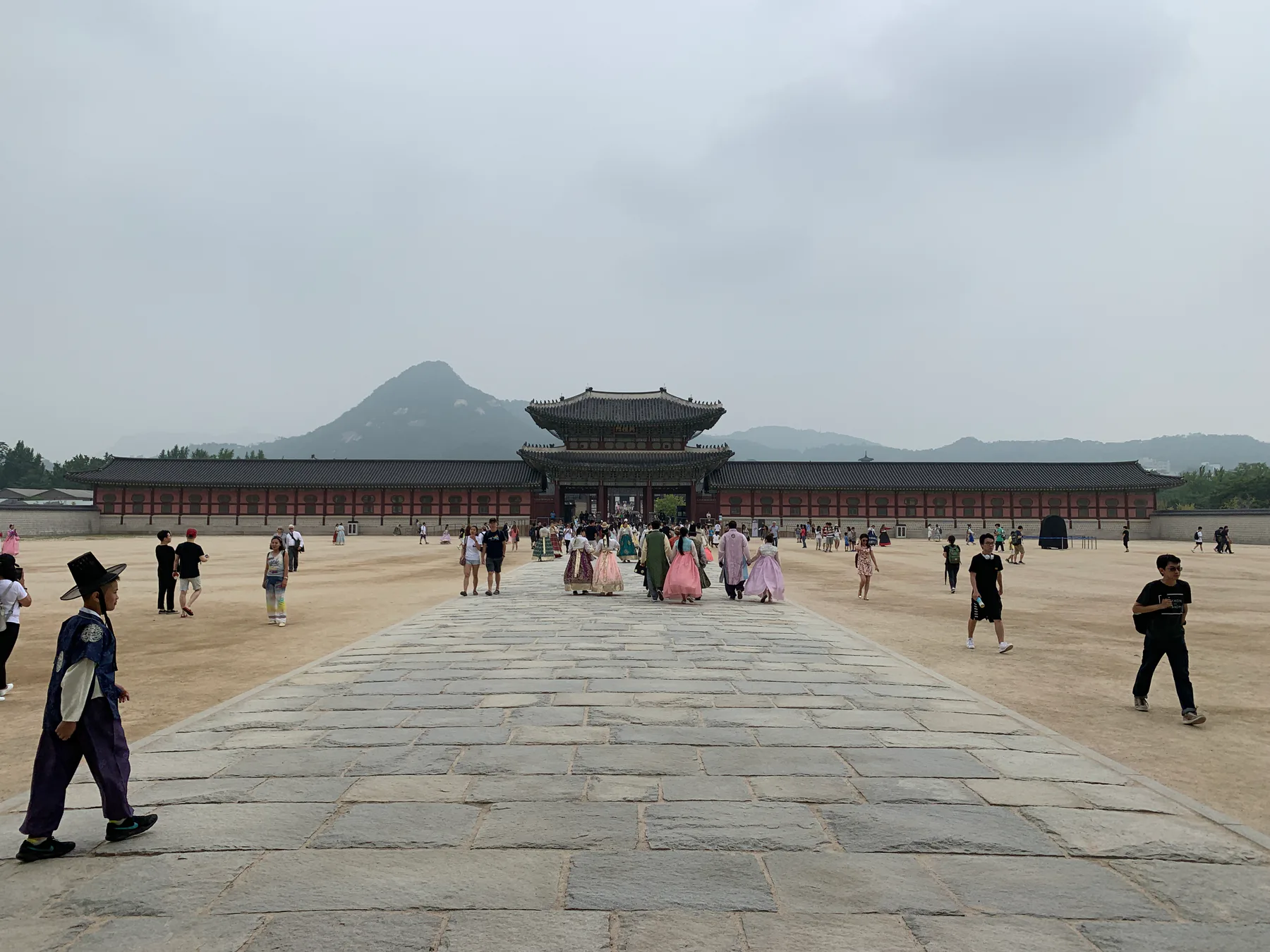
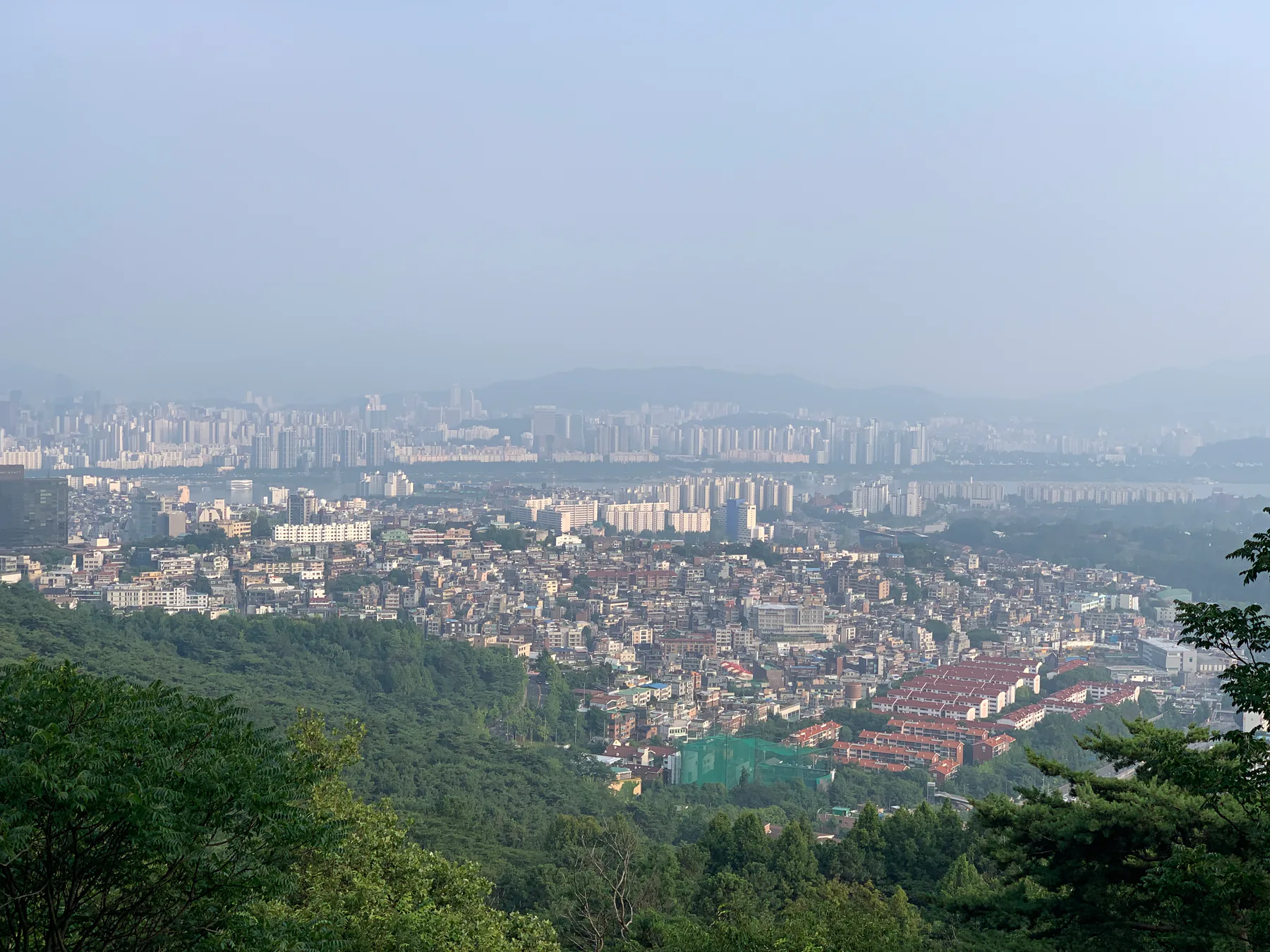
Seoul was the arrival shock: Gwangjang after a red-eye, a sea of people, food I did not know, beauty, scale, and the first moment I felt that I was actually far from home.
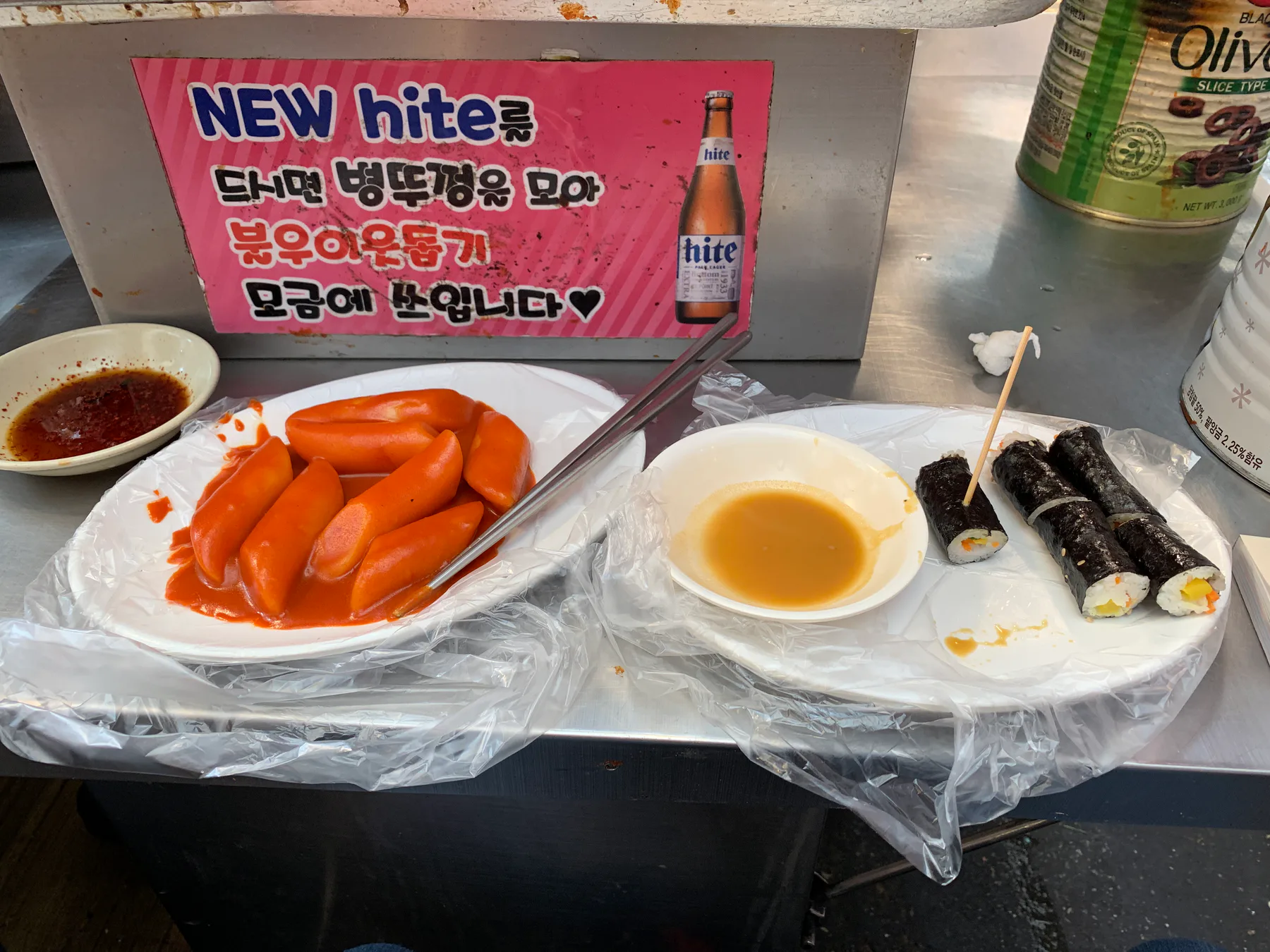
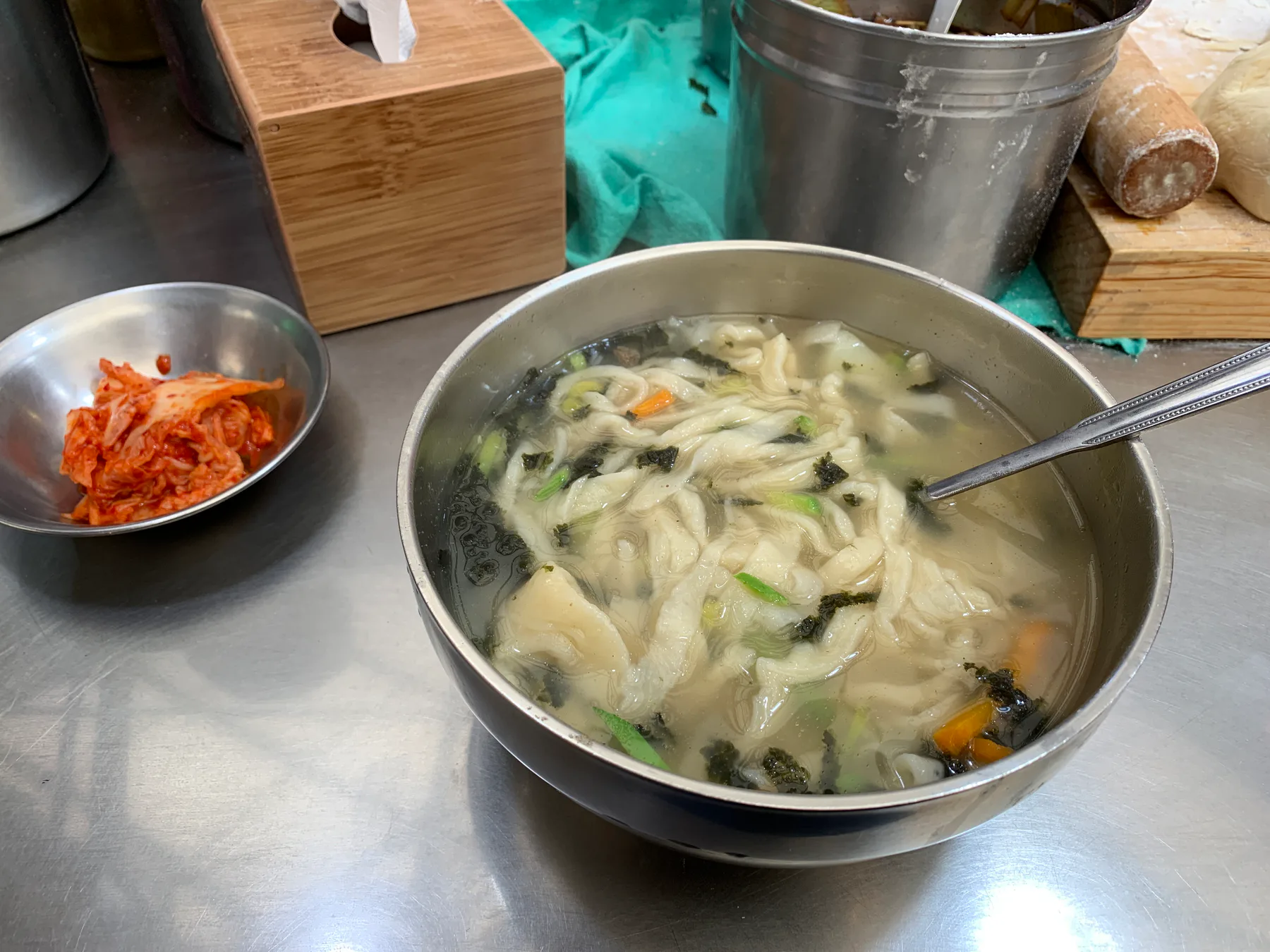
The food did its job before I did. Market noodles, dumplings, tteokbokki, gimbap, and a welcome that arrived before my body had fully caught up.
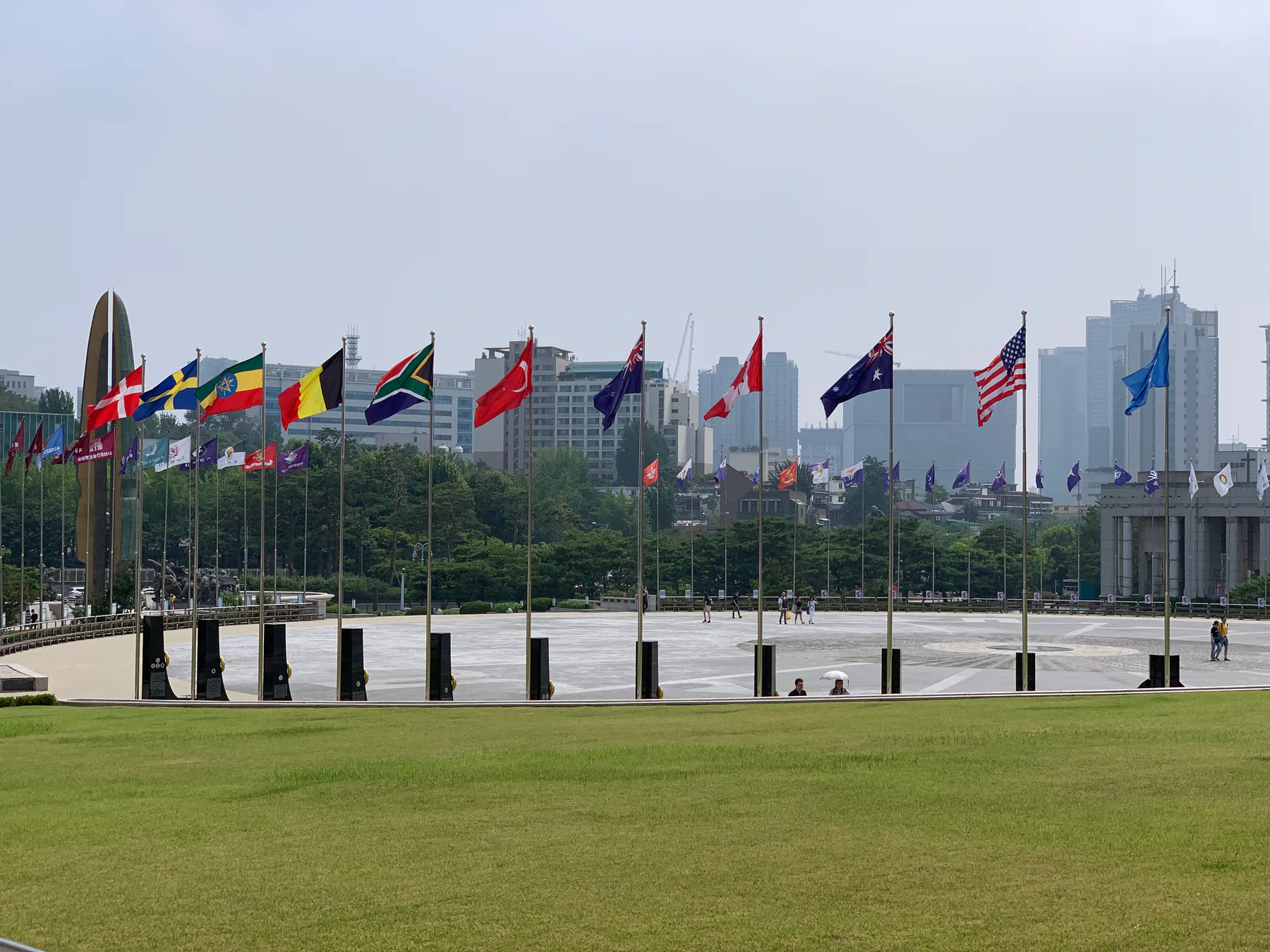
The War Memorial hit me that same day. Later, after Donghwasa, it carried a different weight. Gyeongbokgung made the beauty and scale of Seoul impossible to ignore.
02
Jeonju
Food first. Then a city I walked without a plan.
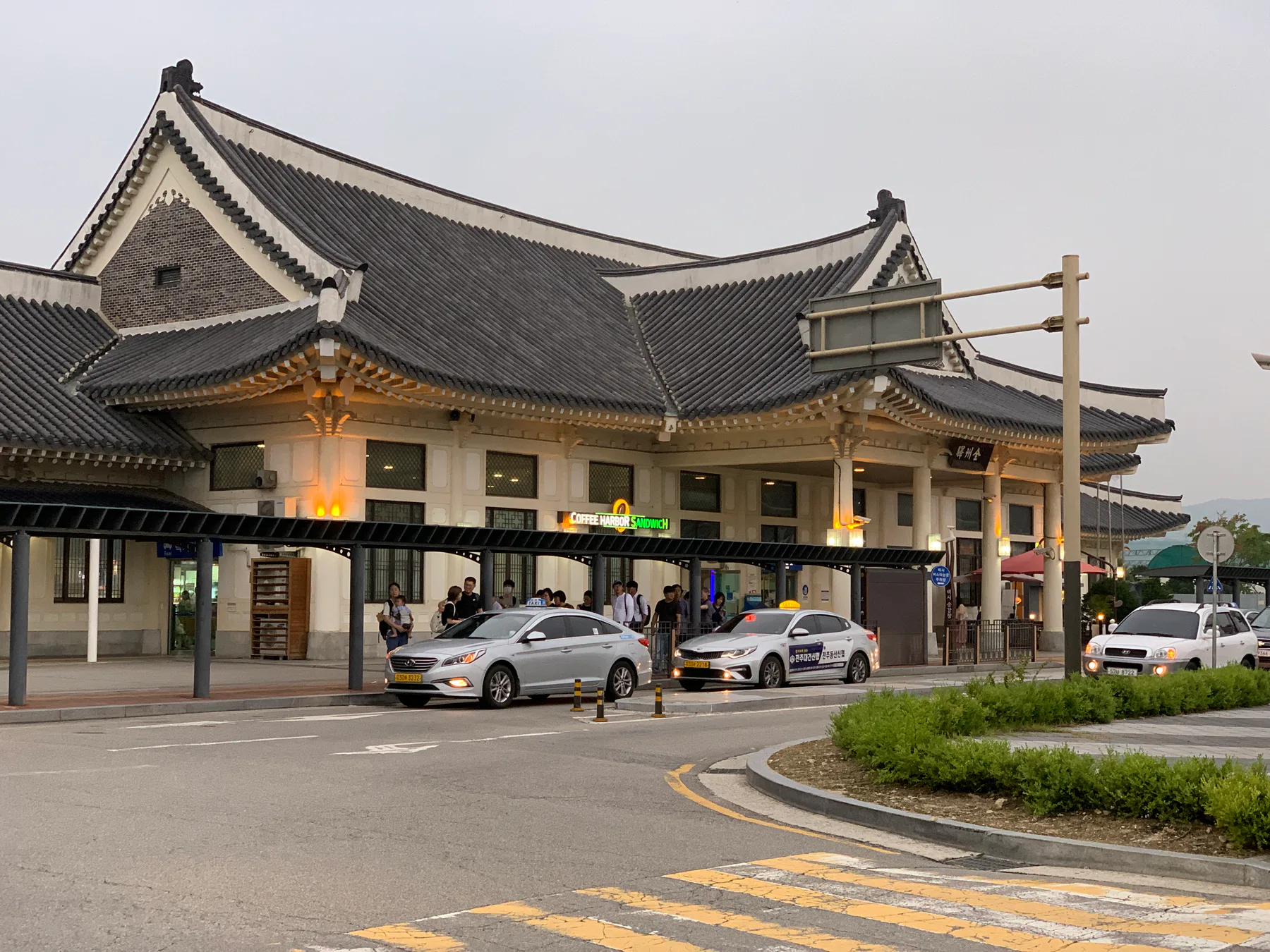
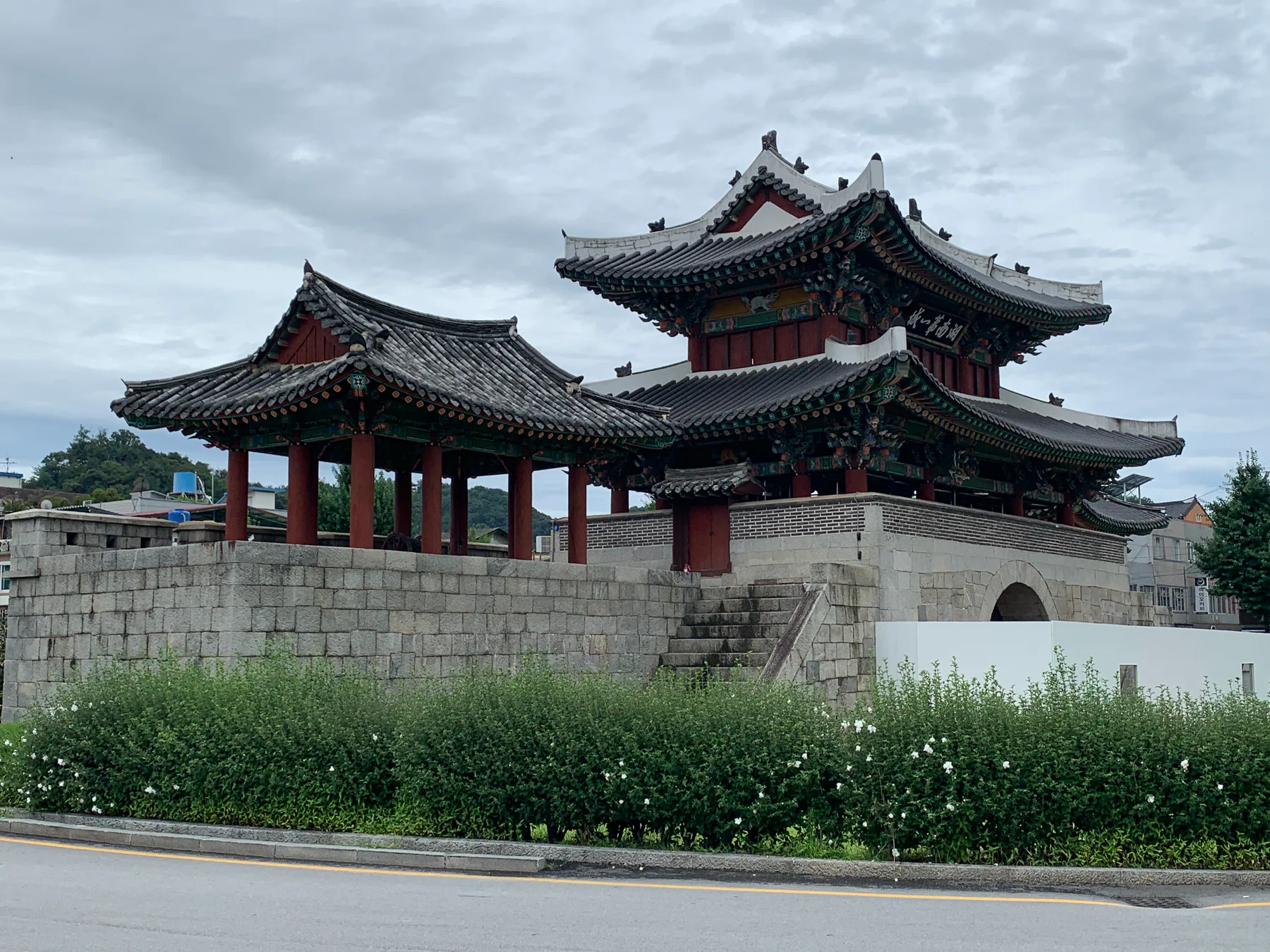
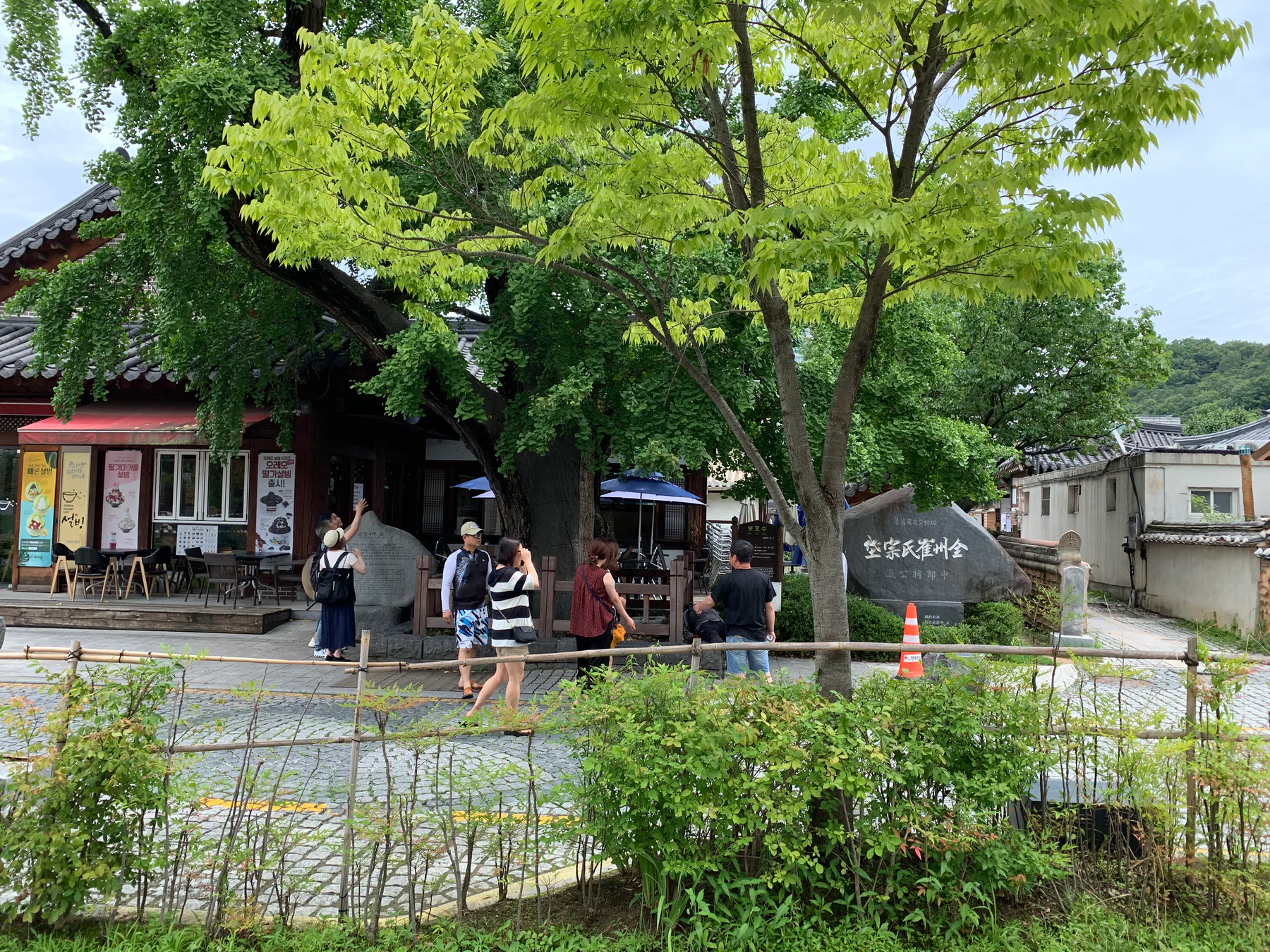
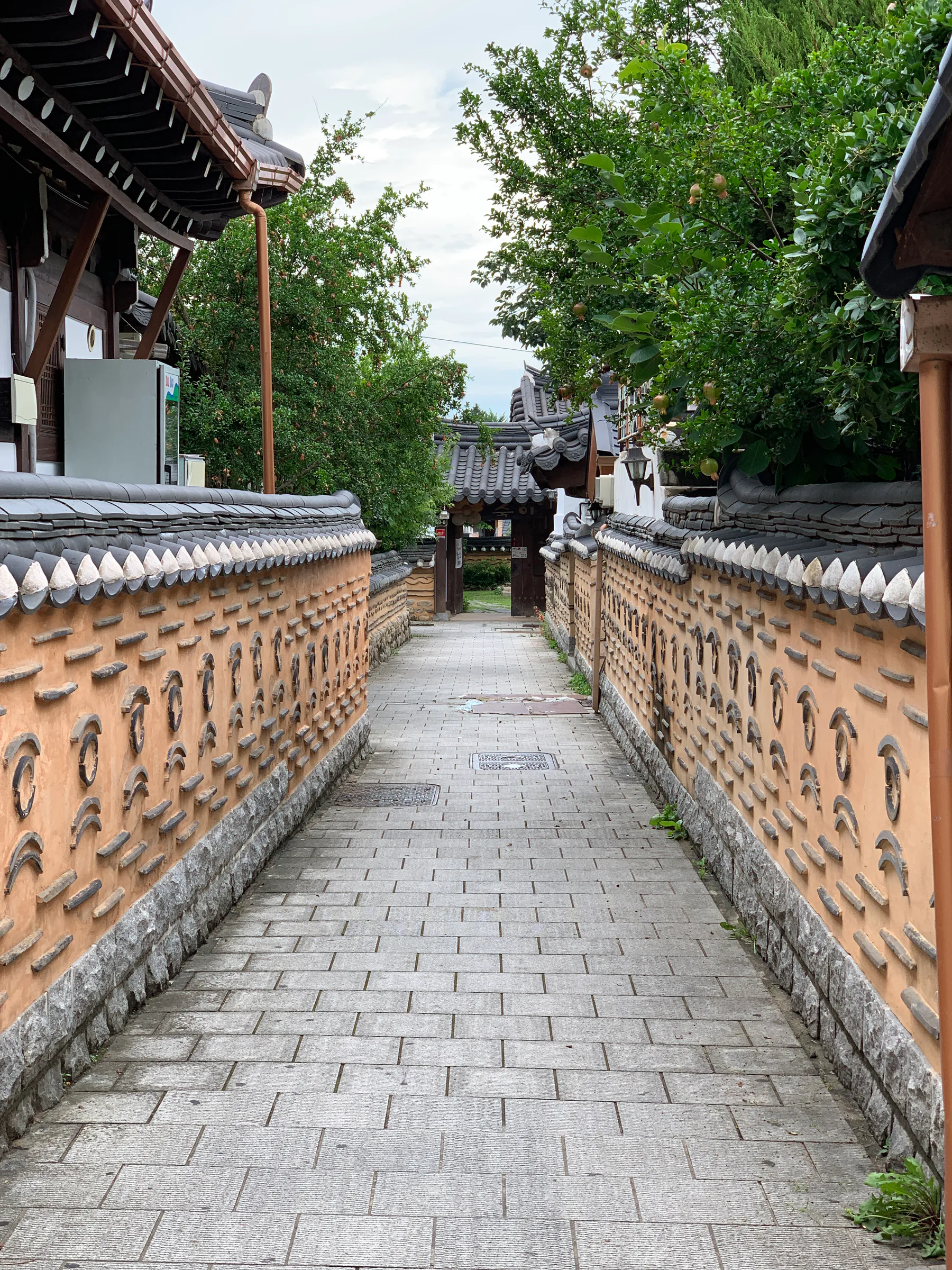
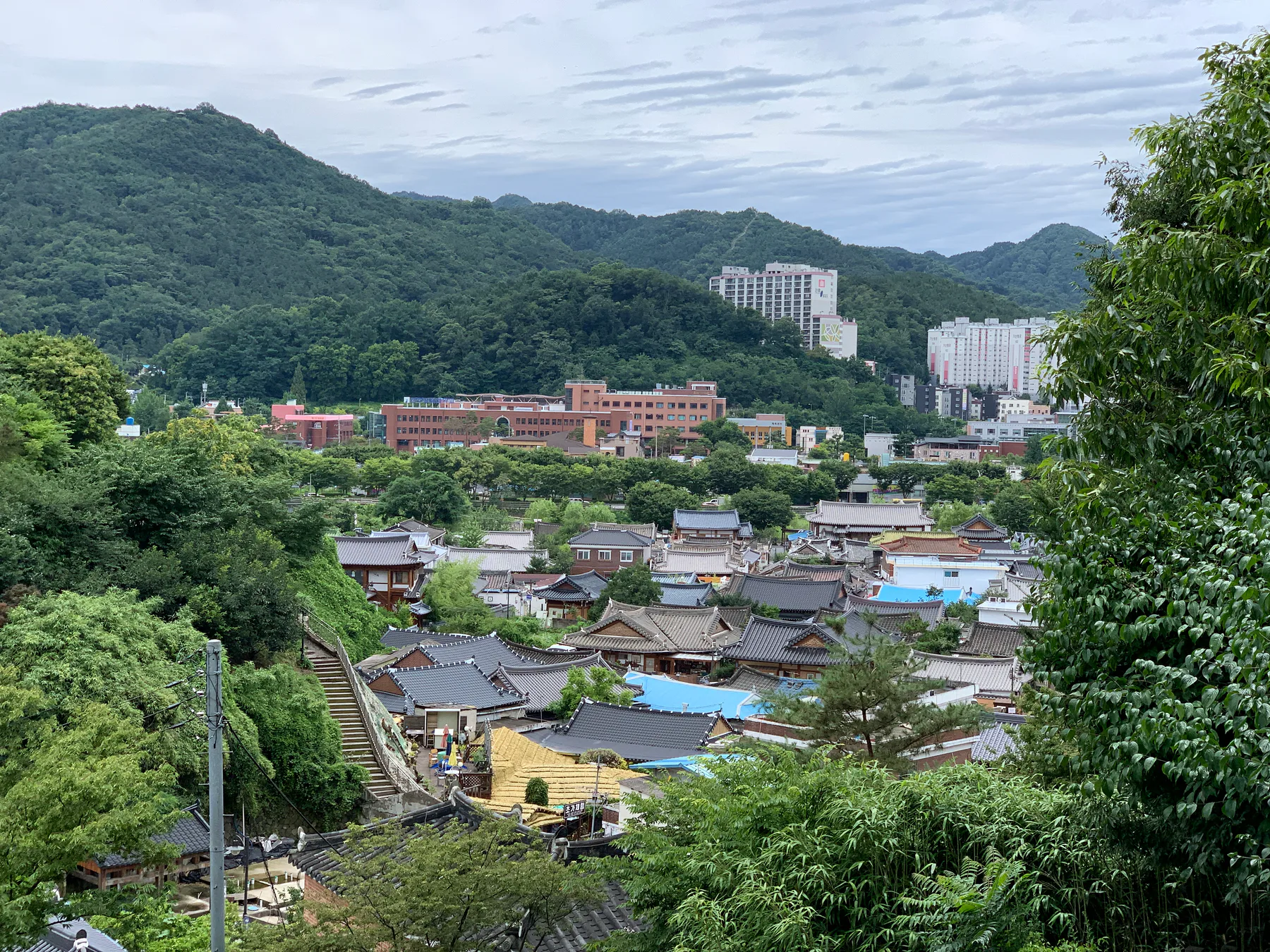
Jeonju was food and quieter streets. I remember arriving with something I wanted to see, then letting the plan loosen until I was just walking.
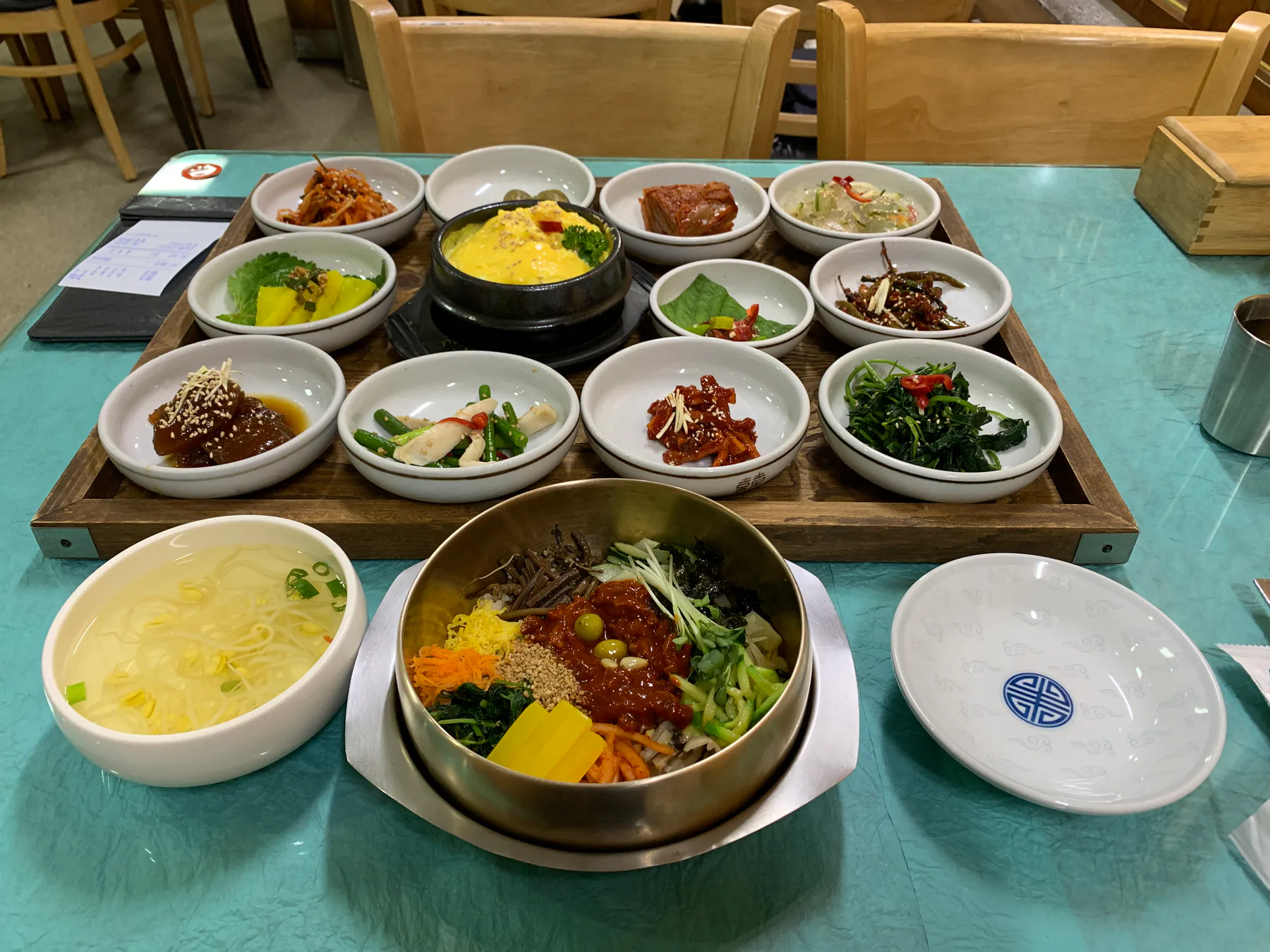
The bibimbap mattered. So did the side dishes, the slower pace, the old roofs, and the feeling that there was no reason to rush the city.
03
Daegu
Forest, temple, air, and an unexpected guide.
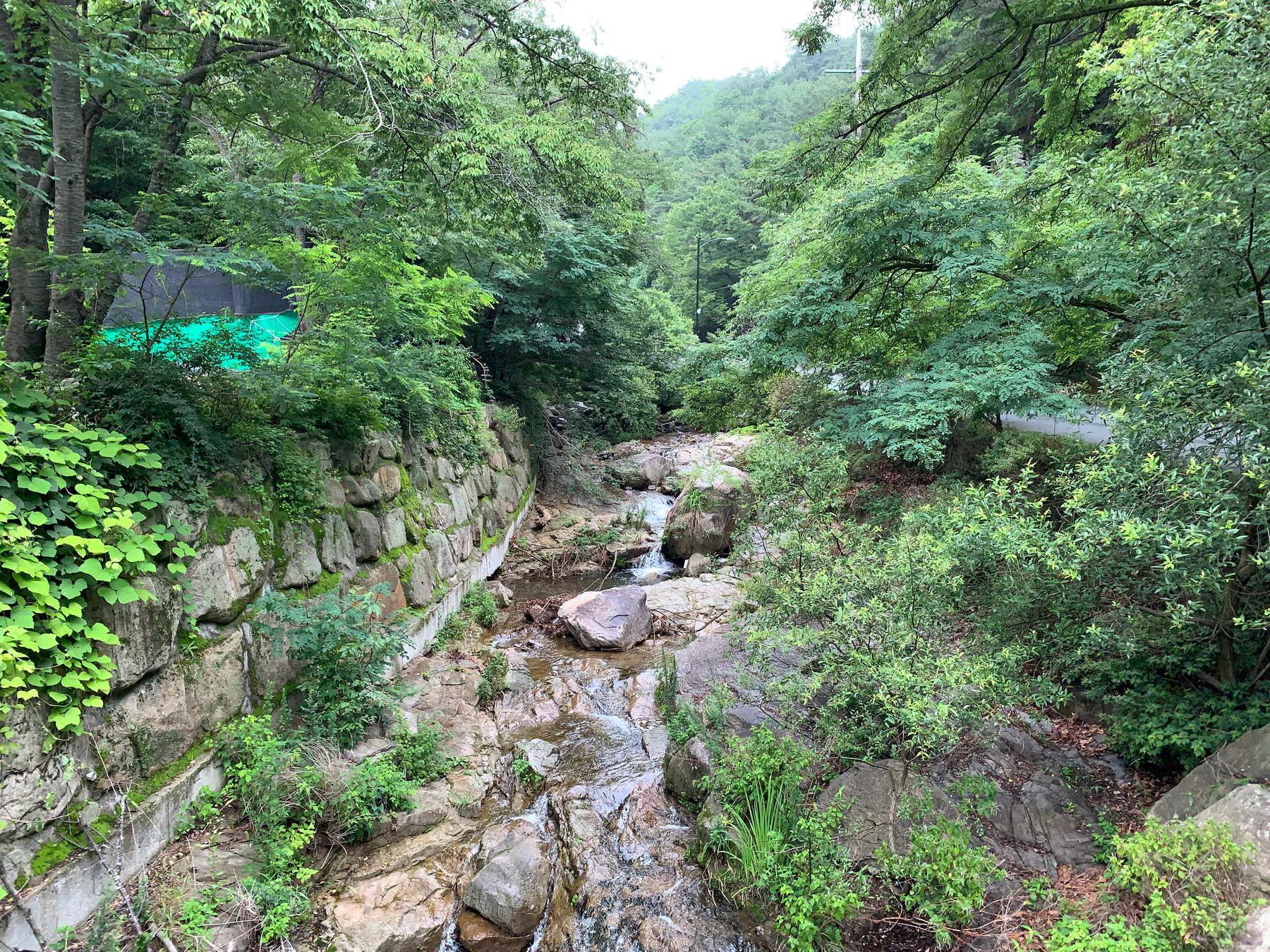
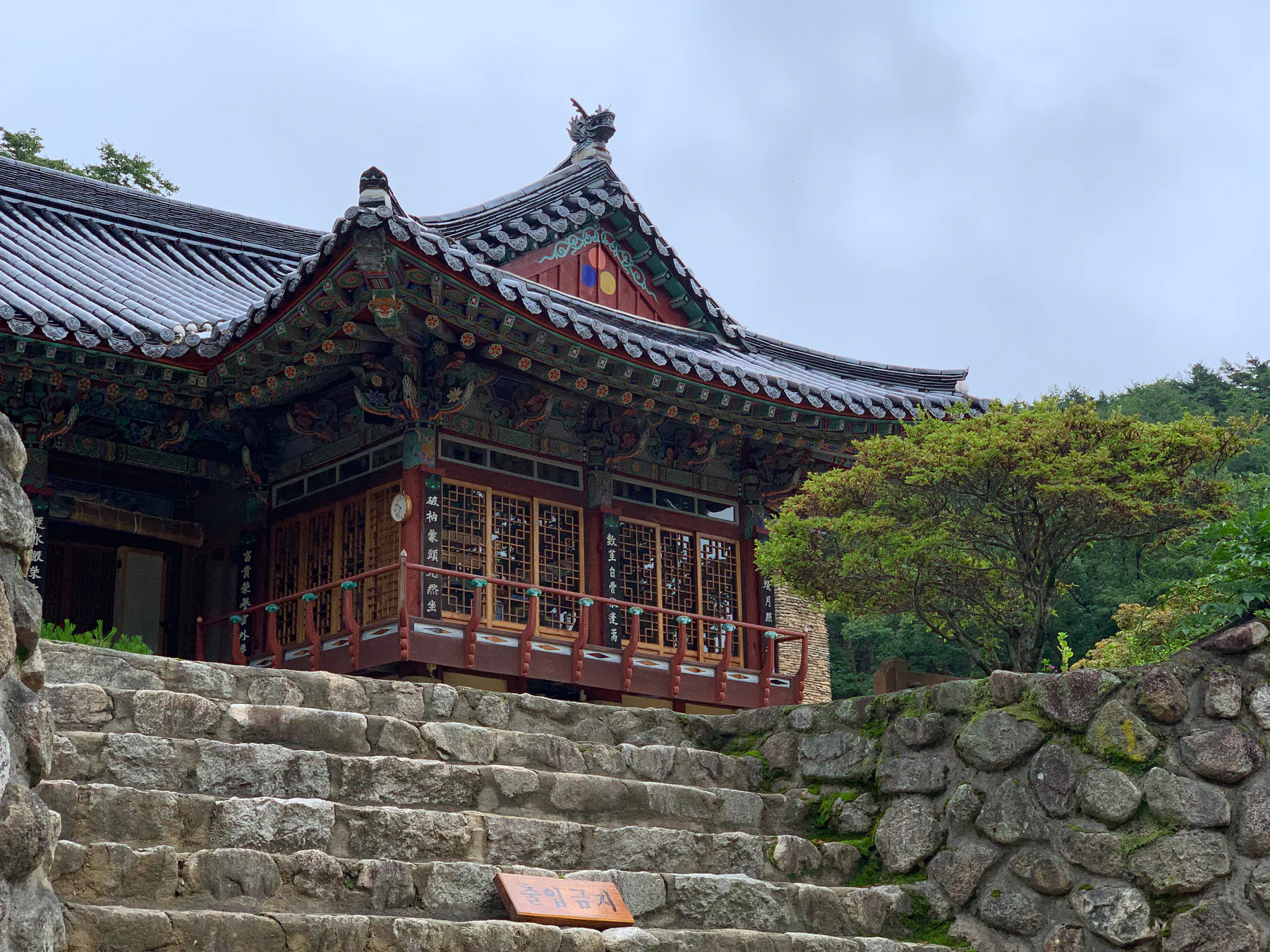
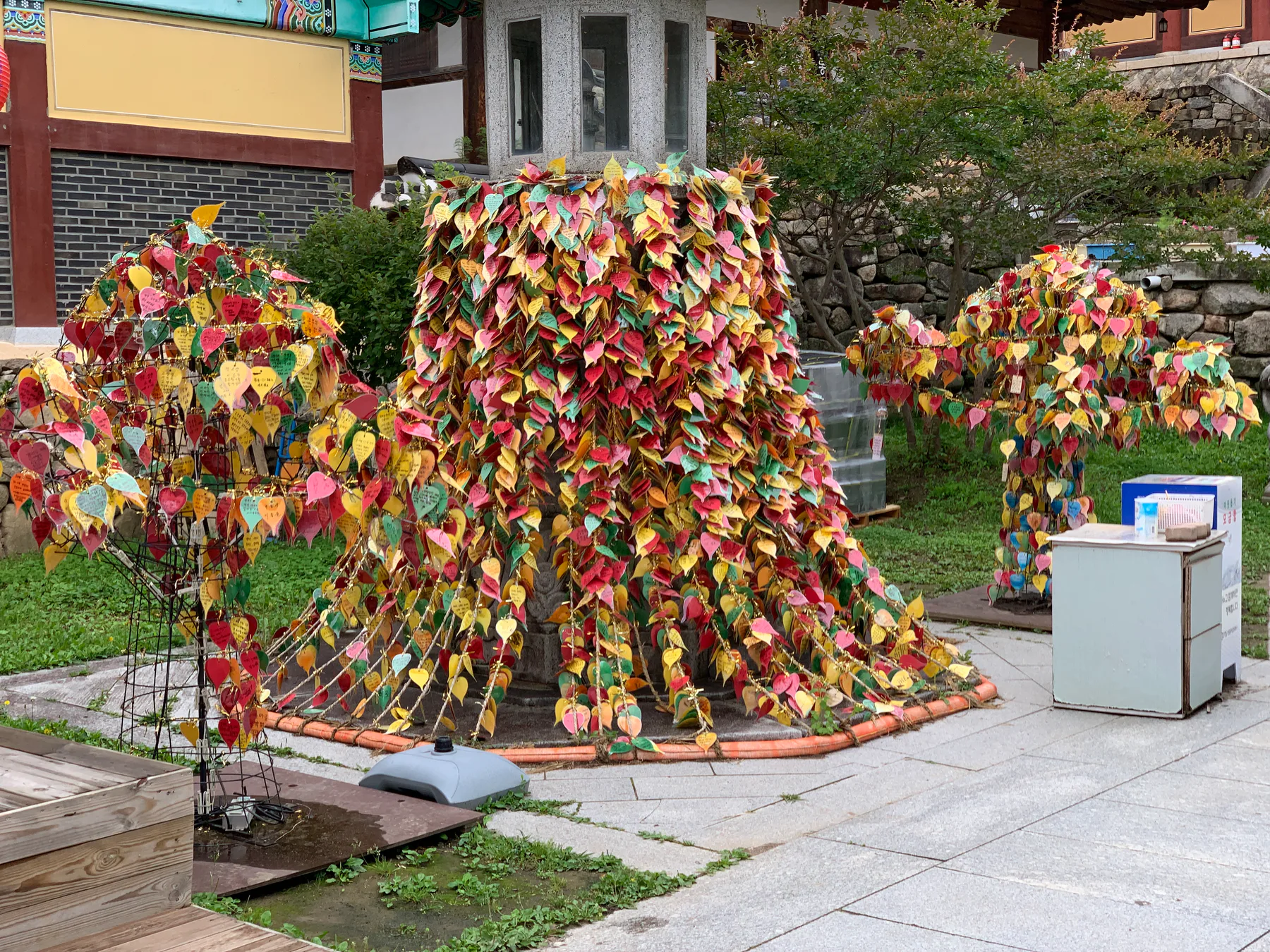
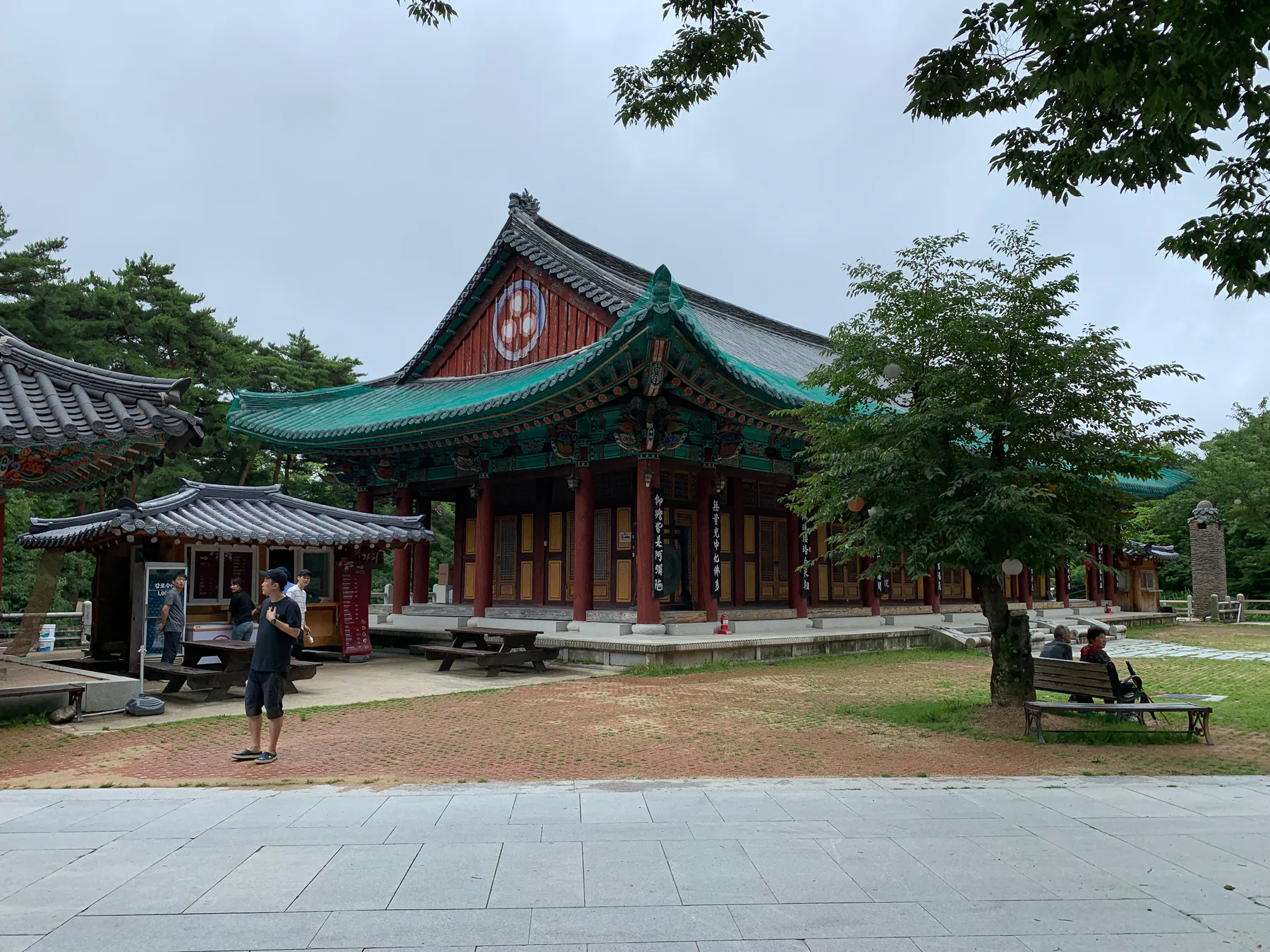
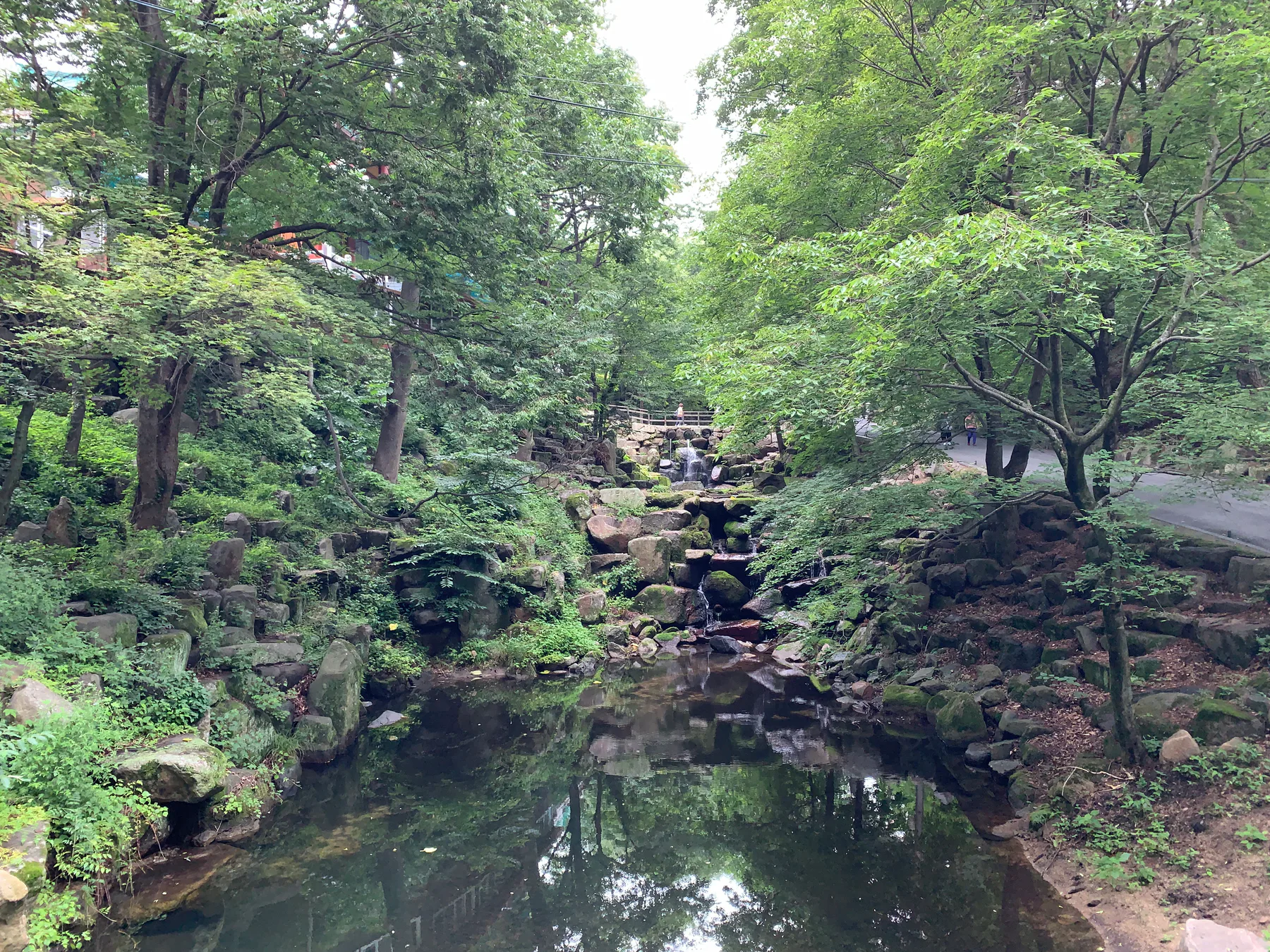
Daegu stayed with me because the forest and temple were already enough, and then an older man I met near Donghwasa turned the day into something more human.
He asked whether I spoke English, then became my guide for hours. We walked before, during, and after the temple visit. He showed me places he liked, and the conversation changed how I carried the War Memorial afterwards.
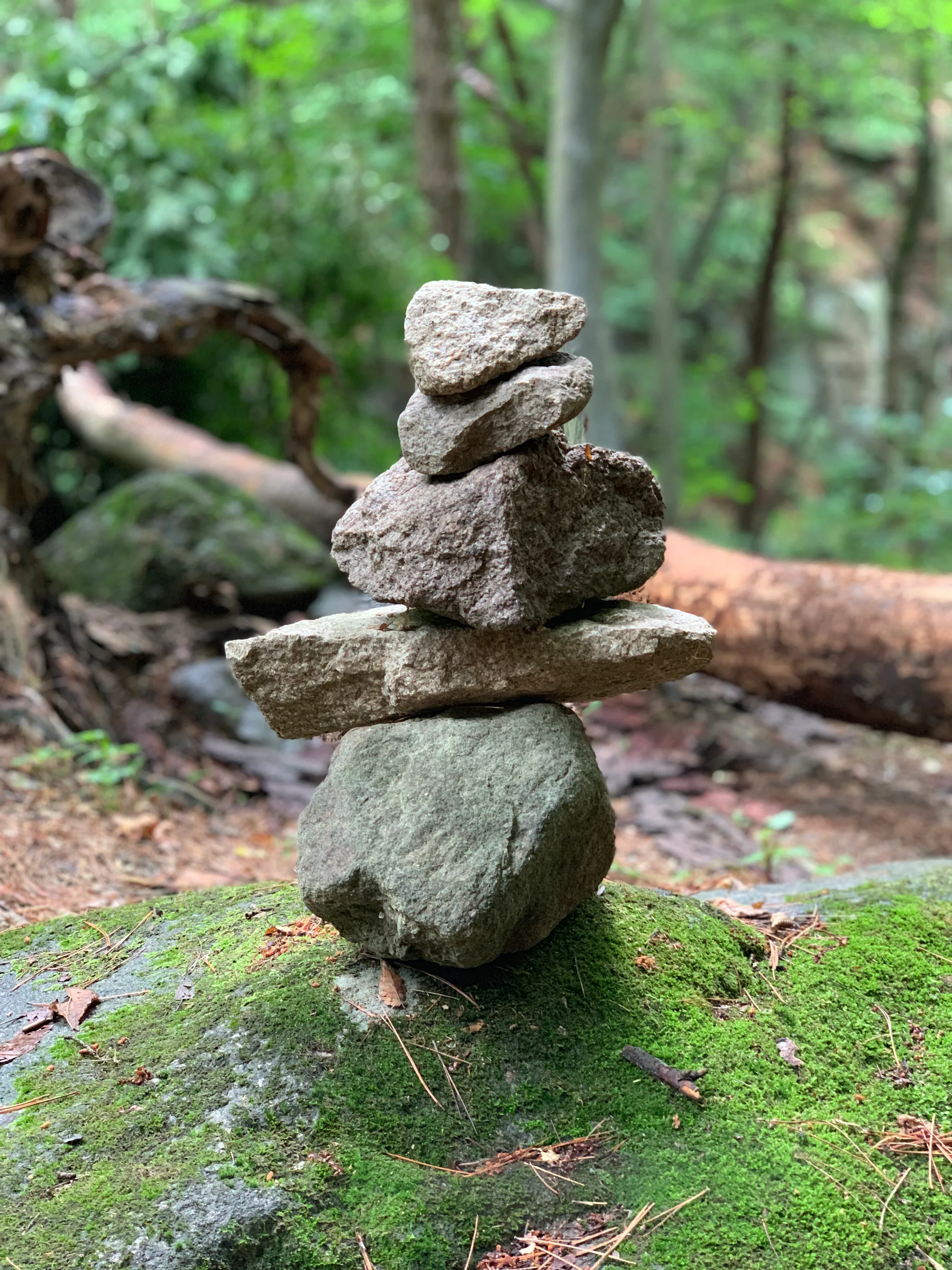
What I remember most is forest, temple, air, and the quiet feeling that history was still close to people.
04
Gyeongju
Older, quieter, more intimate, and slightly surreal after dark.
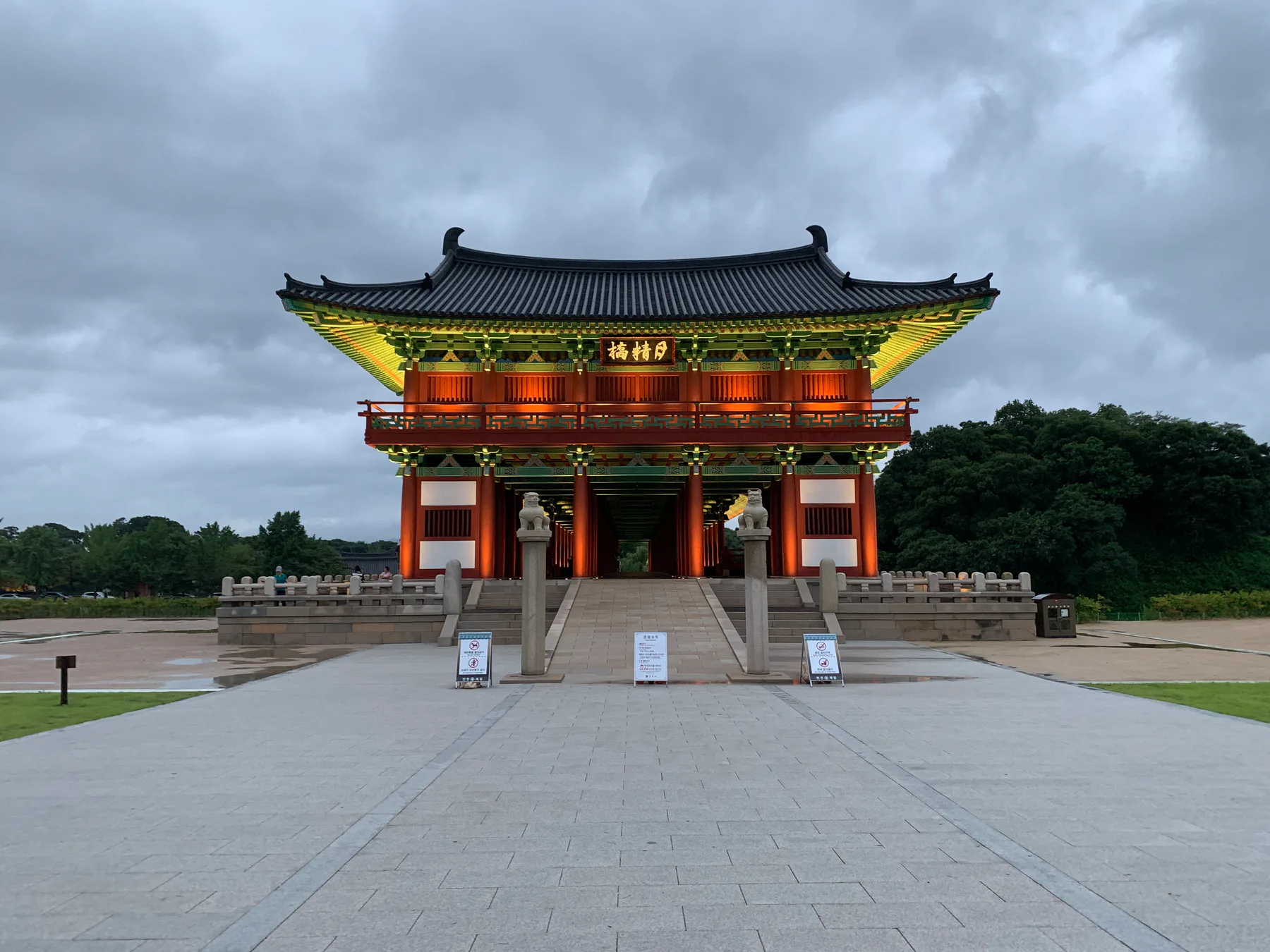
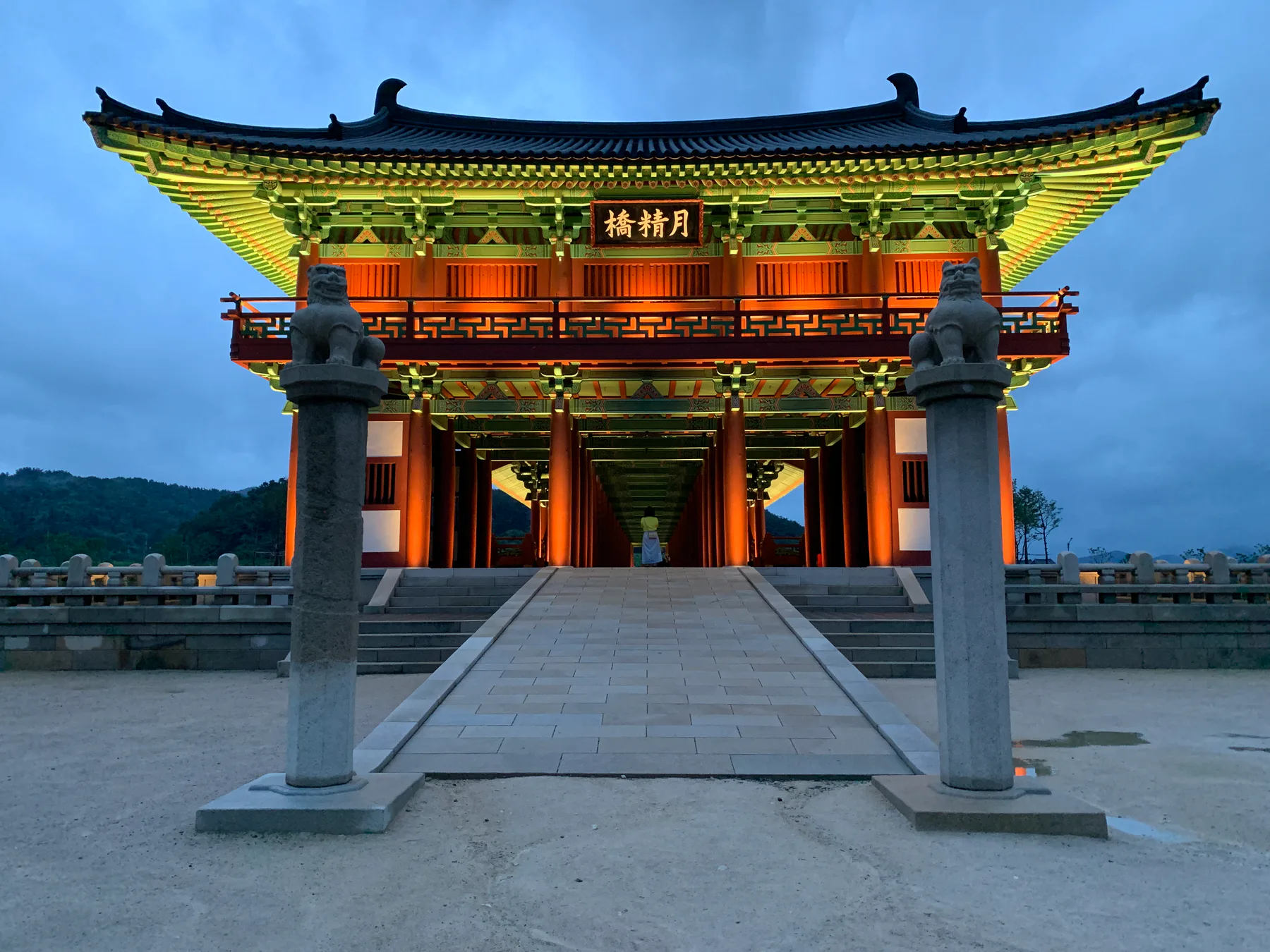
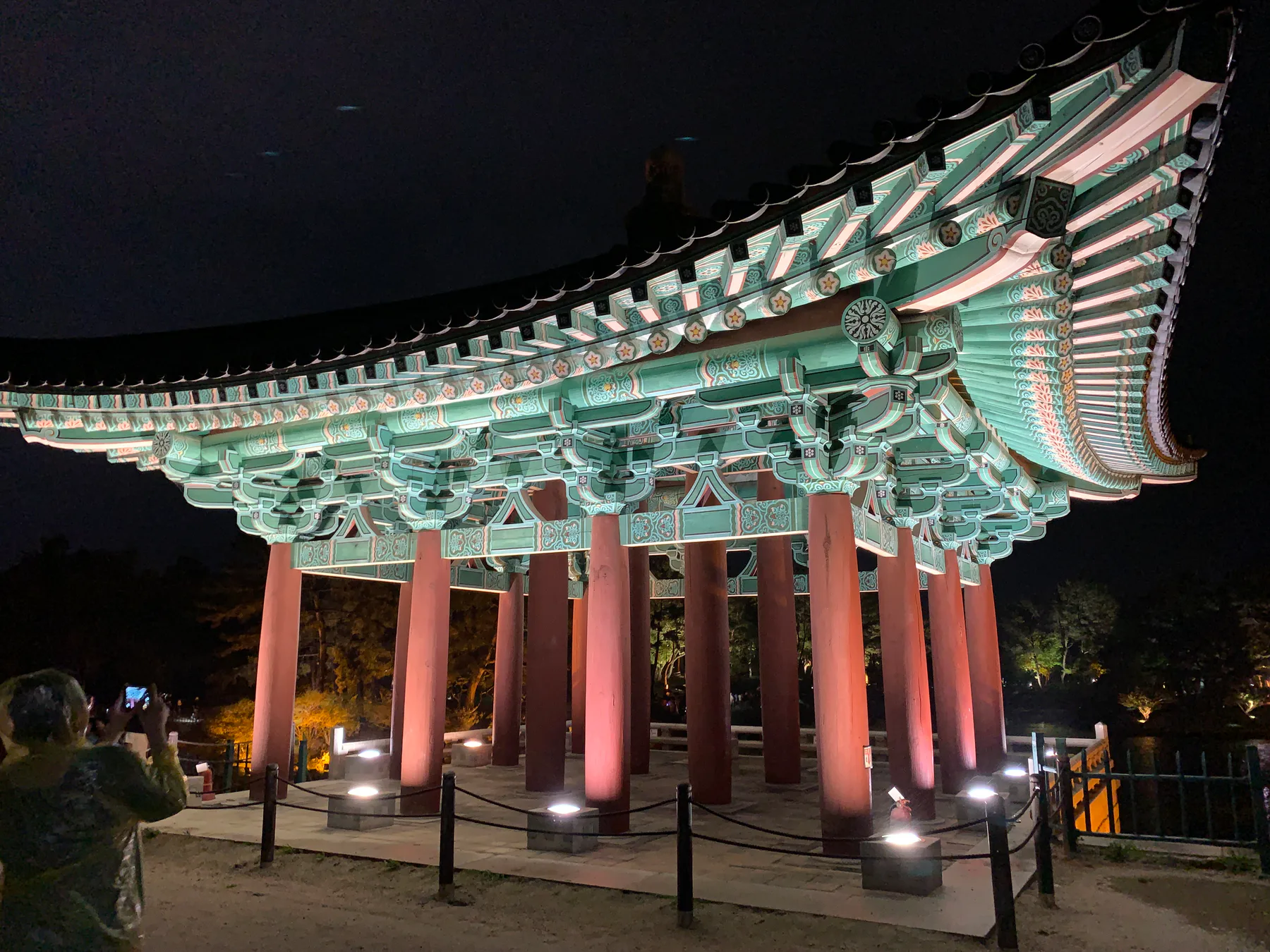
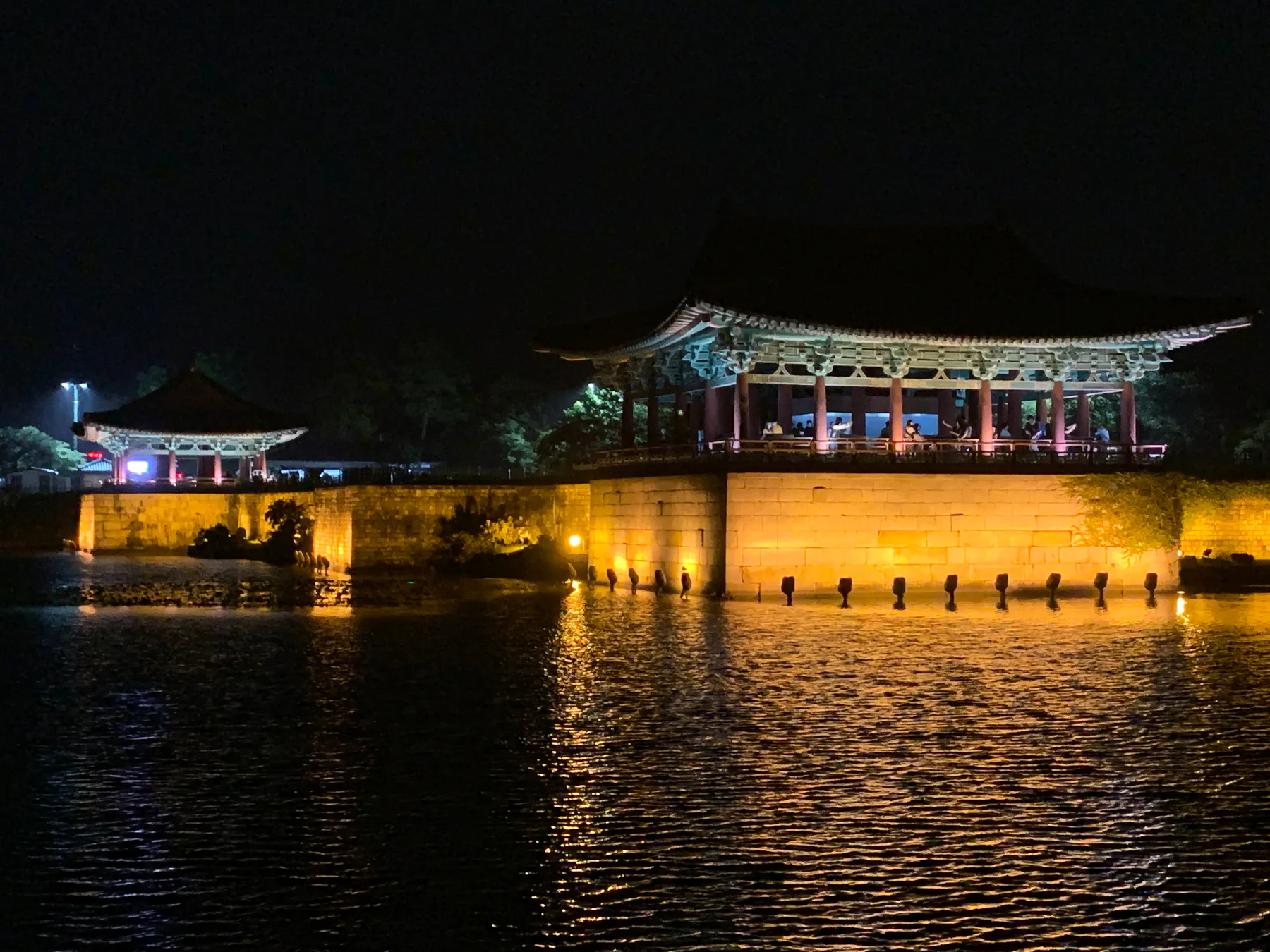
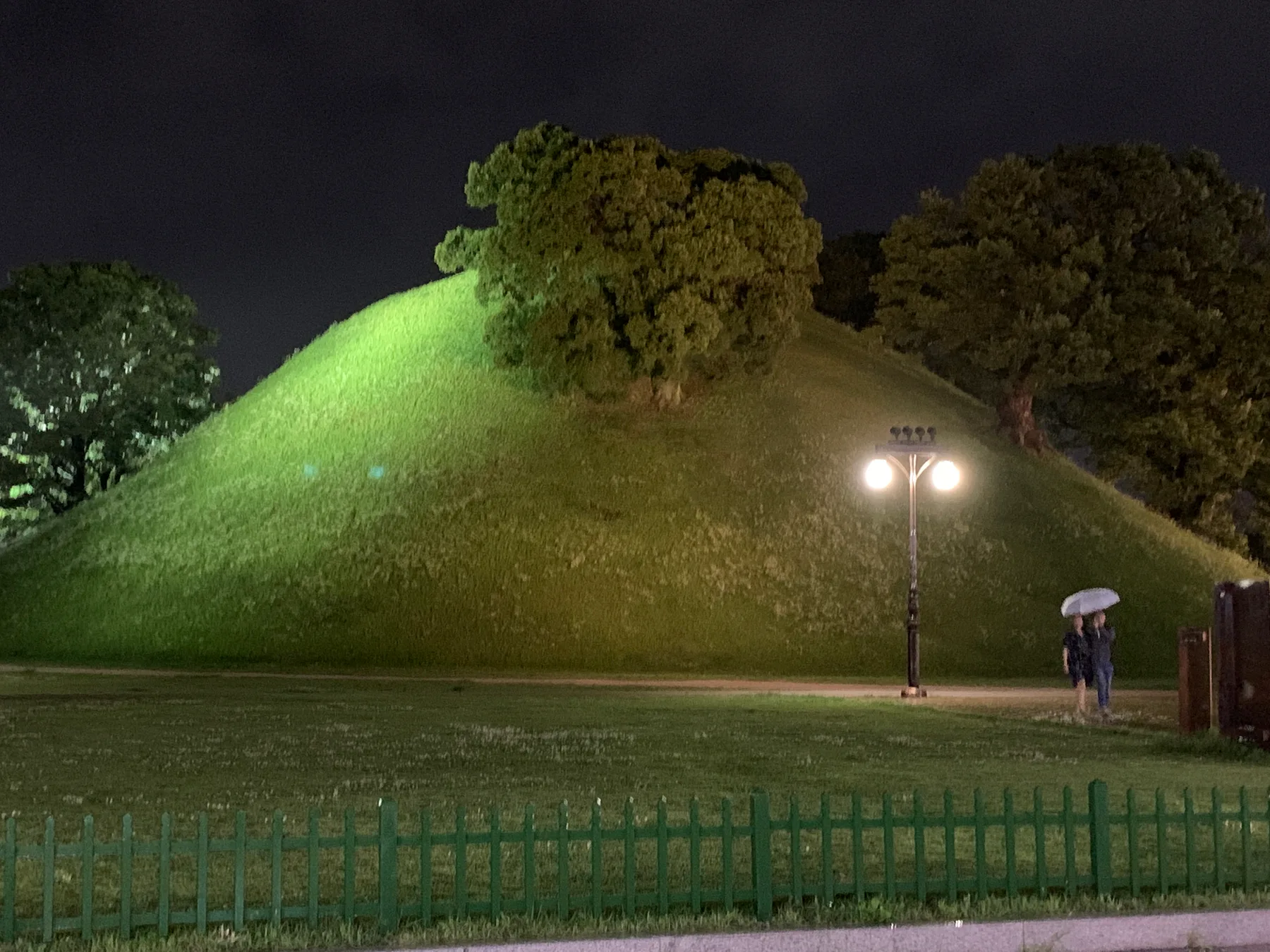
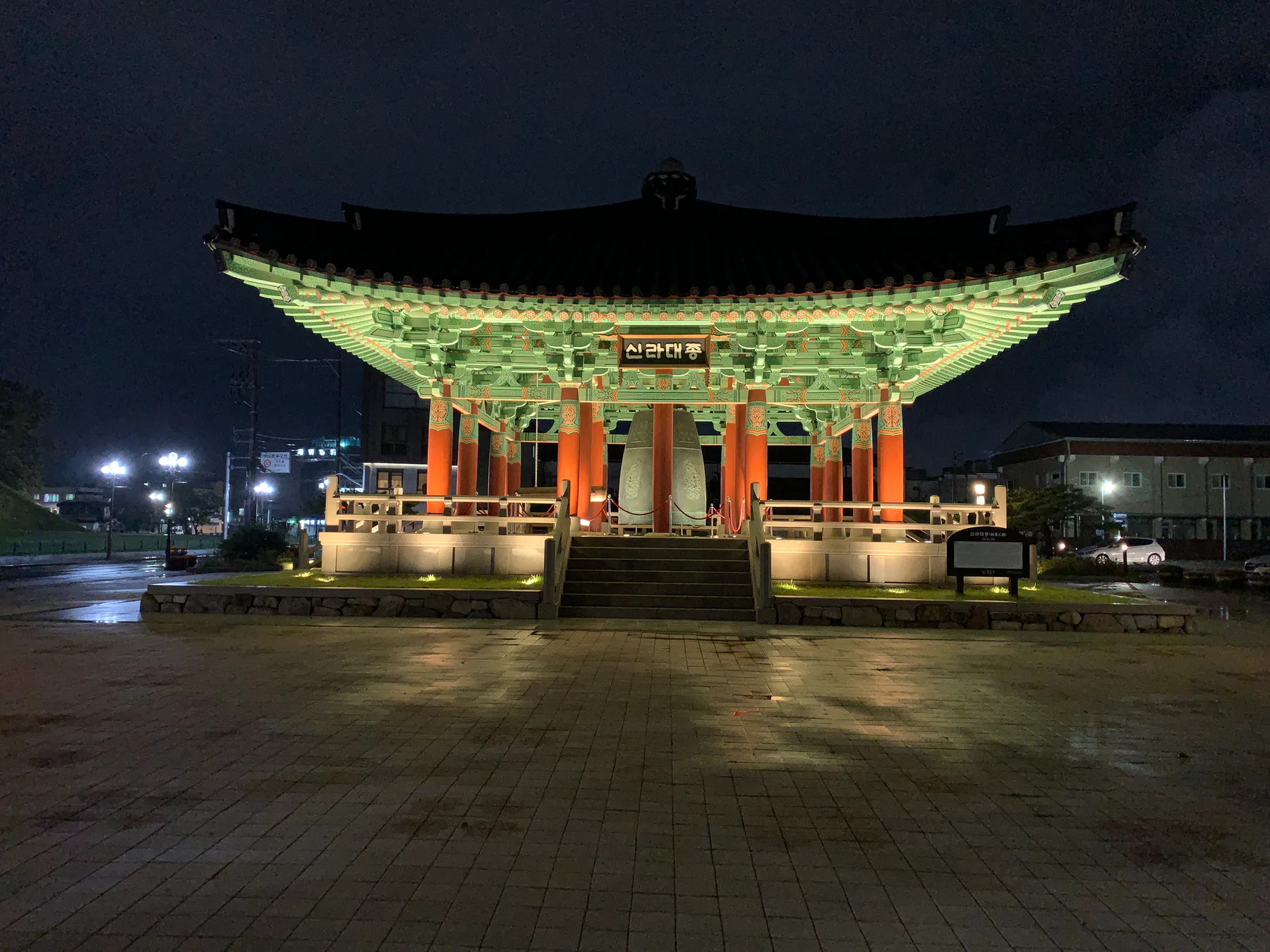
Gyeongju felt older and quieter than the rest of the trip. Someone from the hostel took me around at night, and the city became temples, old landmarks, wet pavement, lights, and a softer kind of history.
It felt more intimate after dark. Not dramatic in the same way as Seoul or Donghwasa, but ceremonial, quiet, and almost unreal when the old structures were lit up.
05
Jeju Island
Food, buses, long walks, weather, and coast.
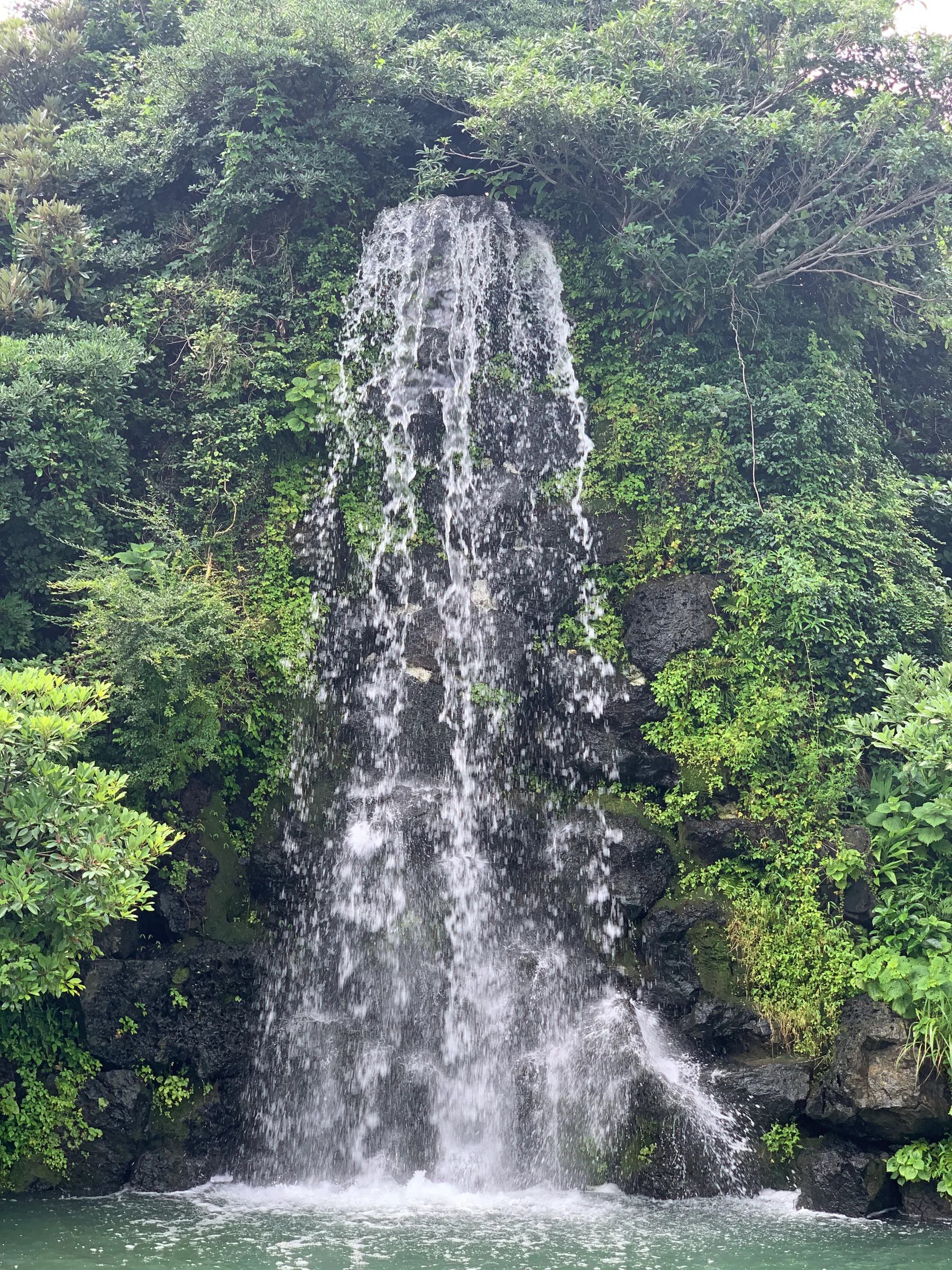
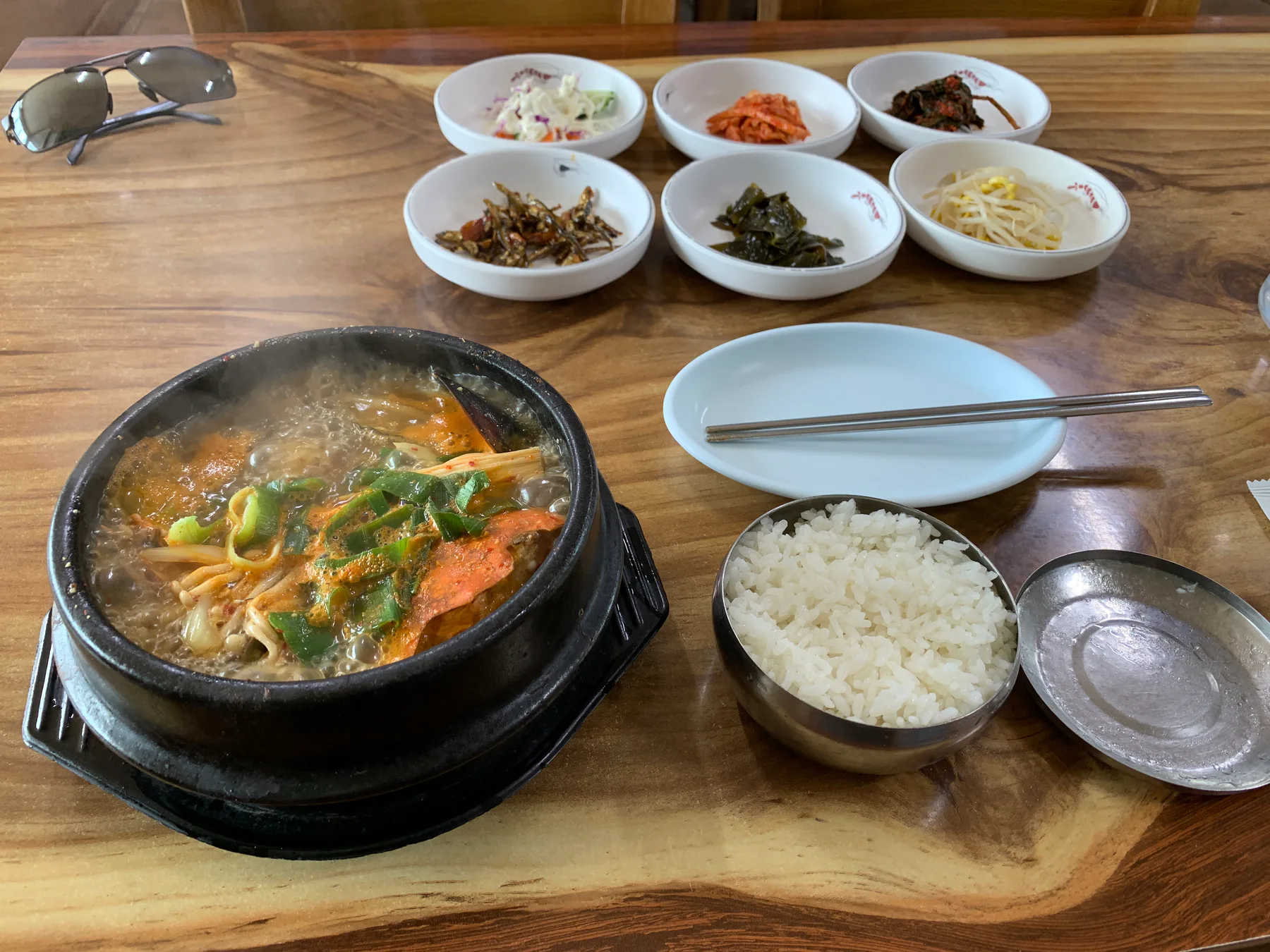
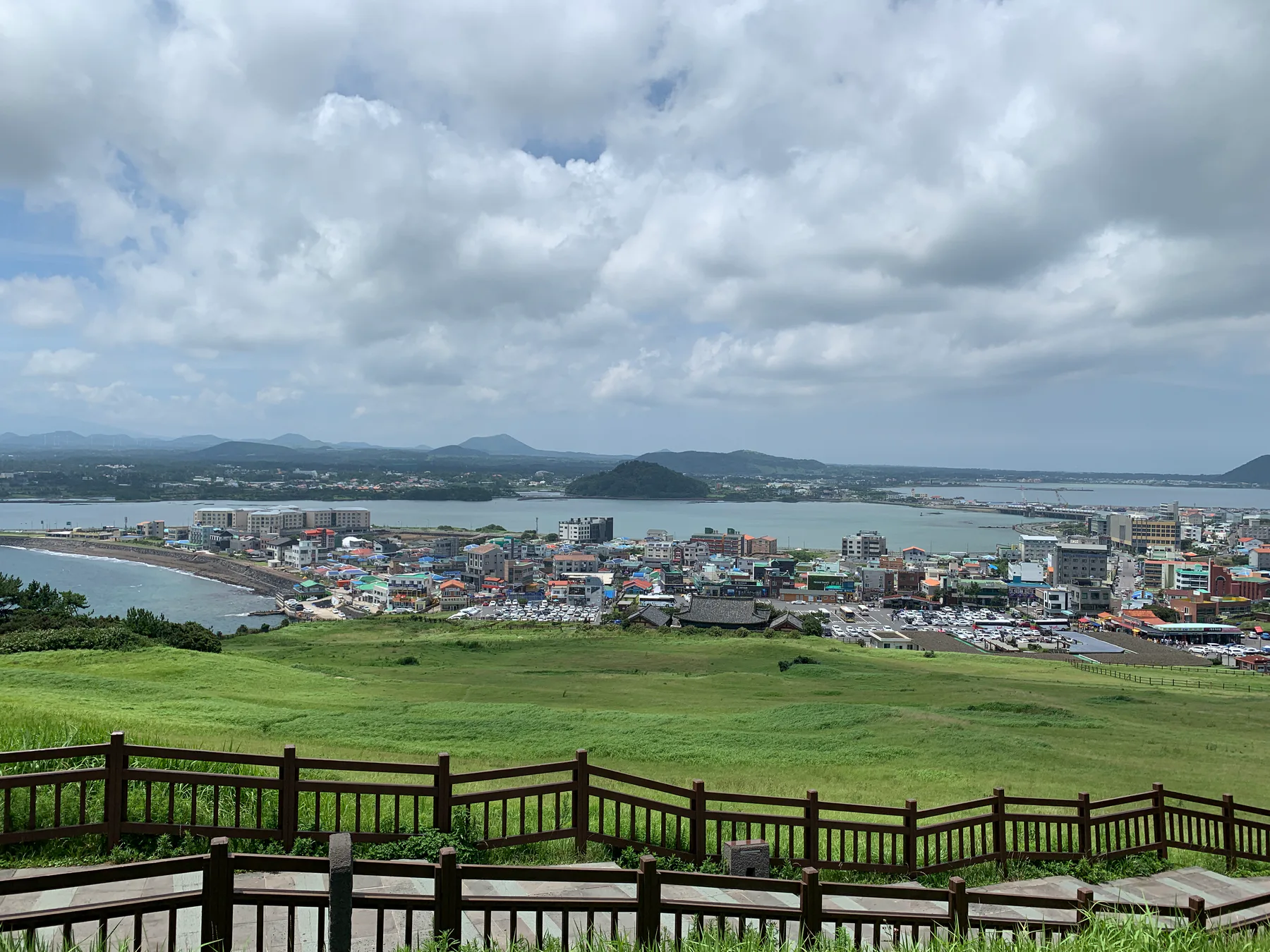
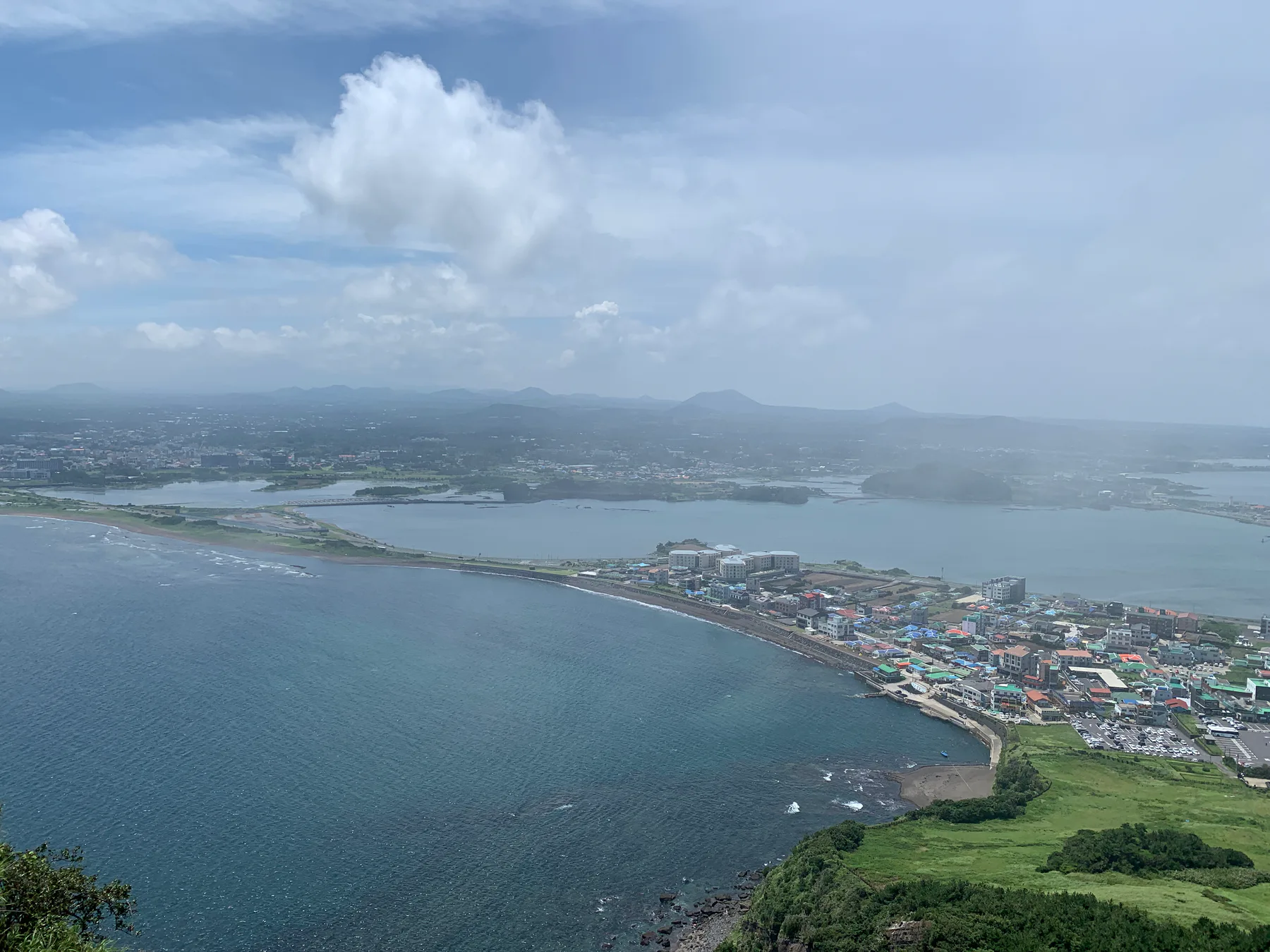
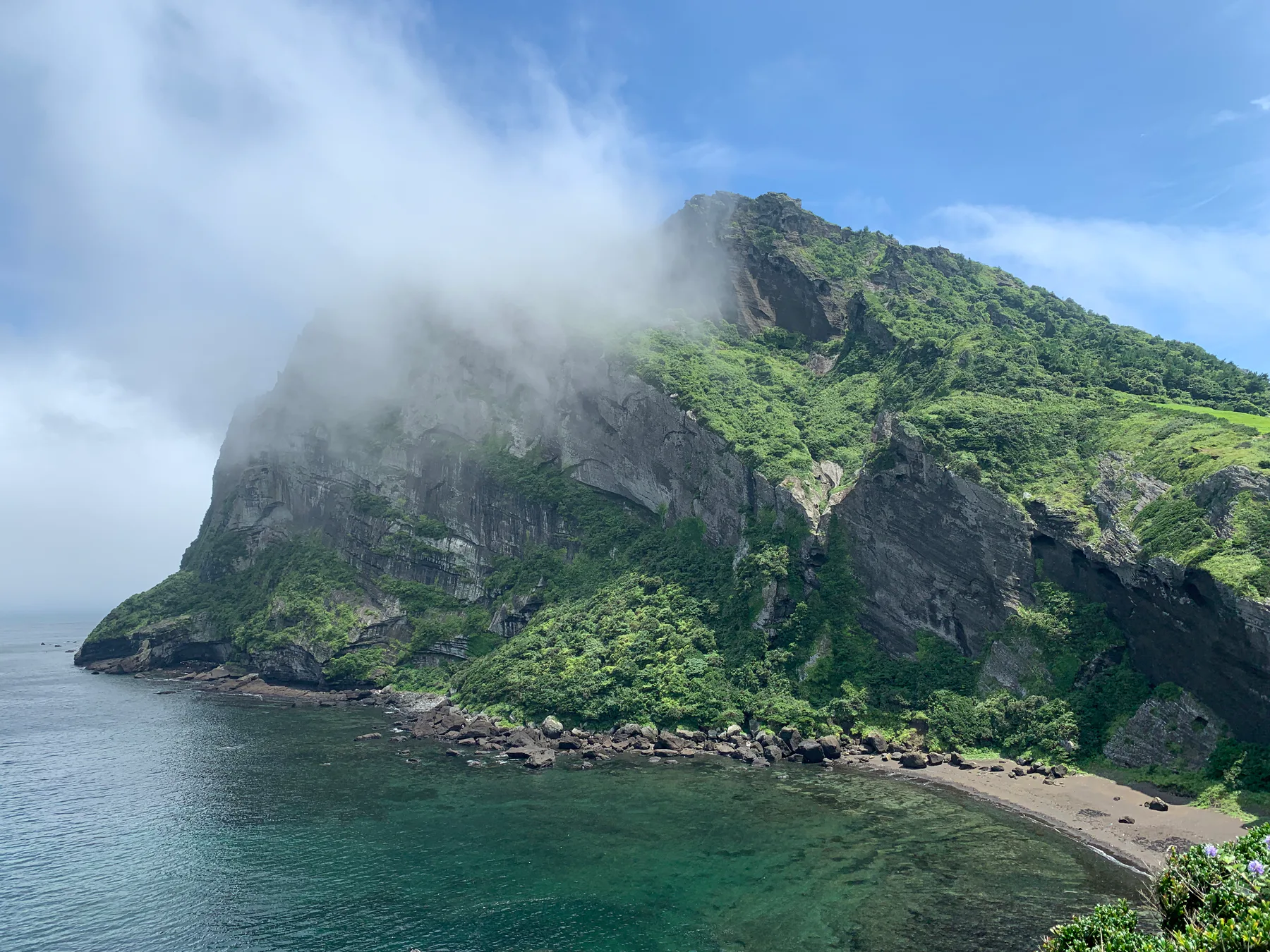
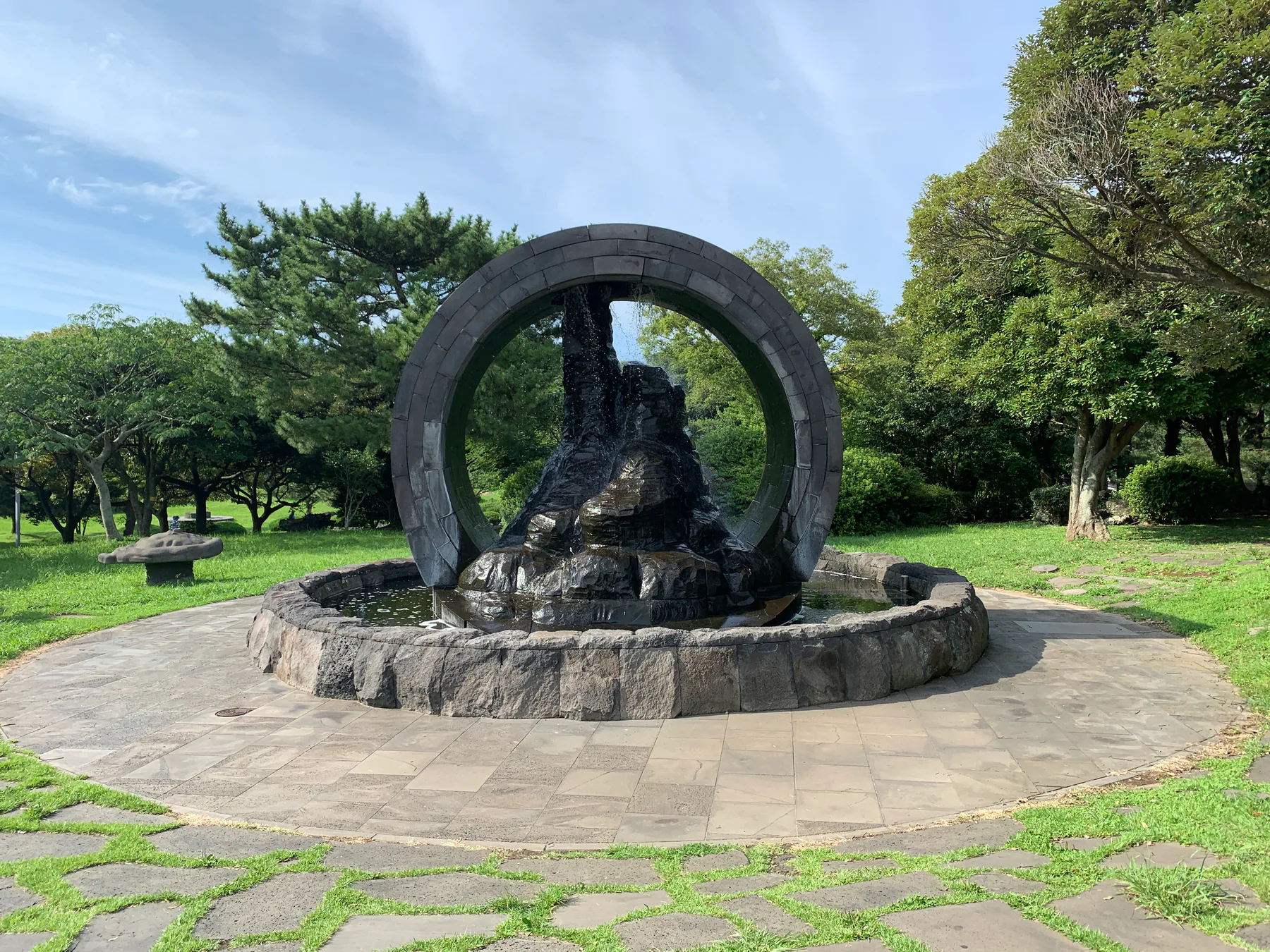
Jeju is the part I remember through food, long bus rides, walking, weather, and coast. Not as one clean story, but as a stack of good sensations that kept moving.
The food was excellent. The bus rides were long. The walking was worth it. Jeju felt less like a chapter I can summarize cleanly and more like an island that stayed in my body.
06
Busan
Sea, food, fatigue, and the end of the trip.
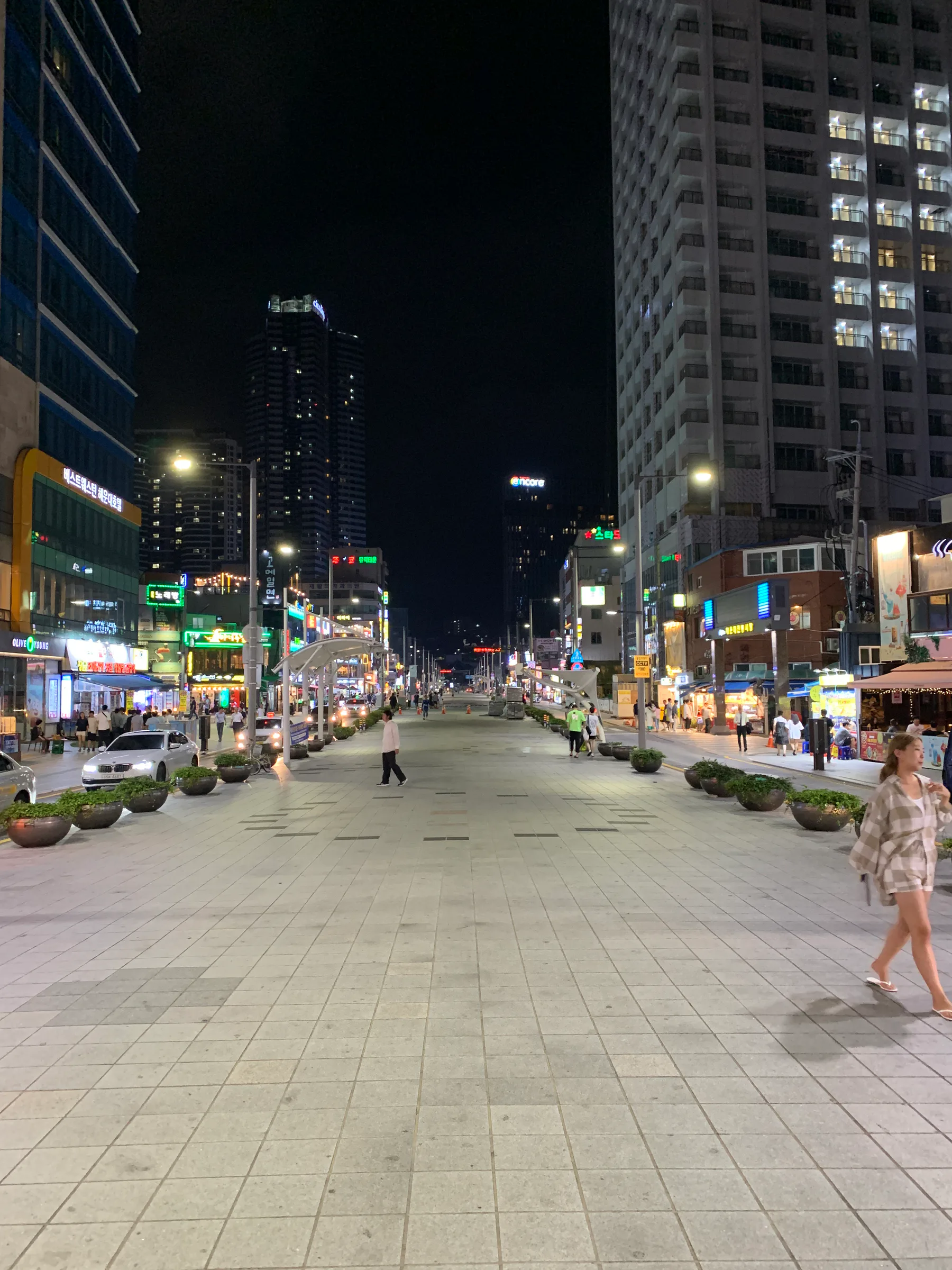
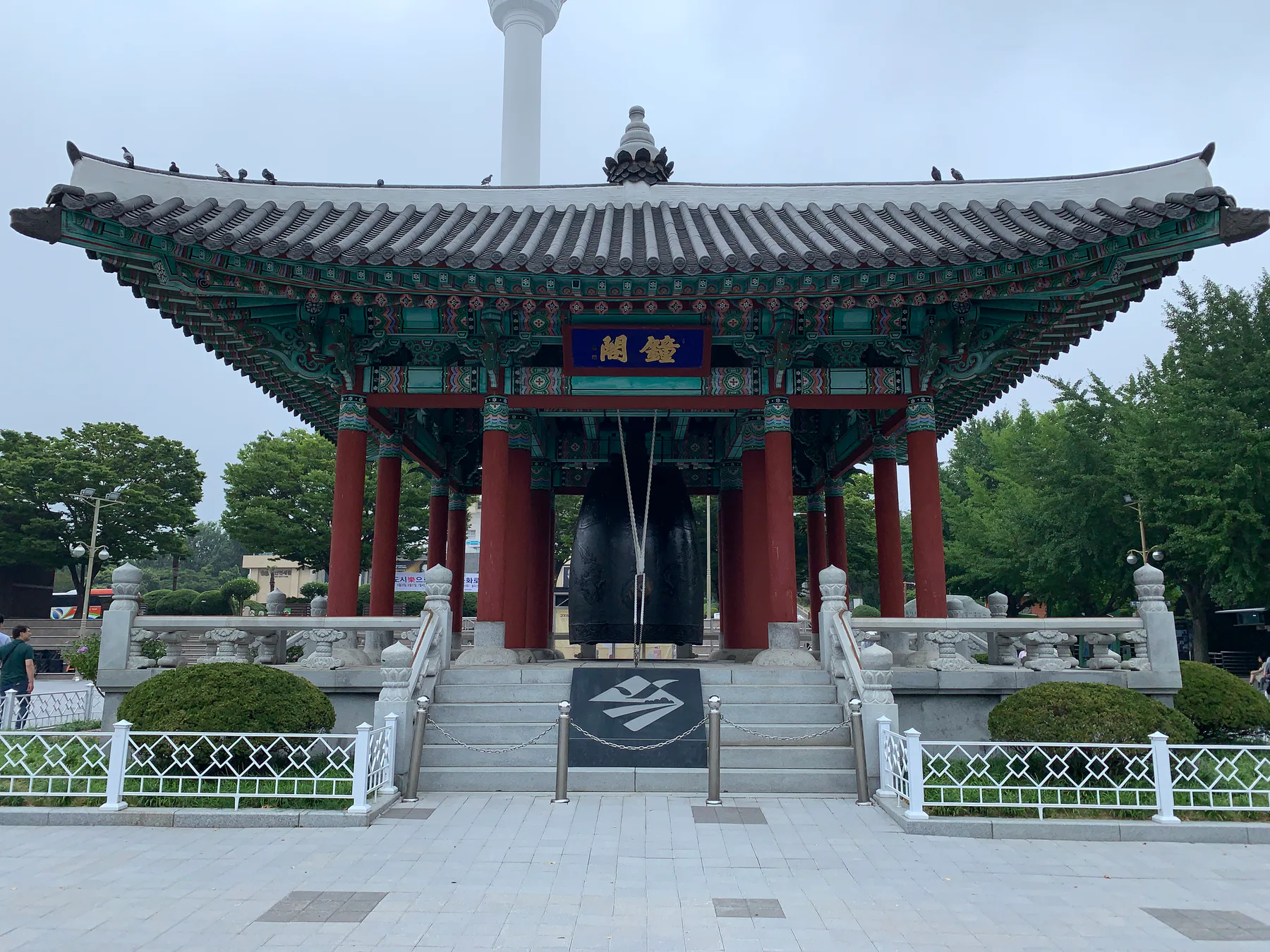
By Busan I was fully tired, but satisfied. It felt more relaxed and more tourist-facing than Seoul, with sea air, good food, and the strange calm that arrives when the trip is almost over.
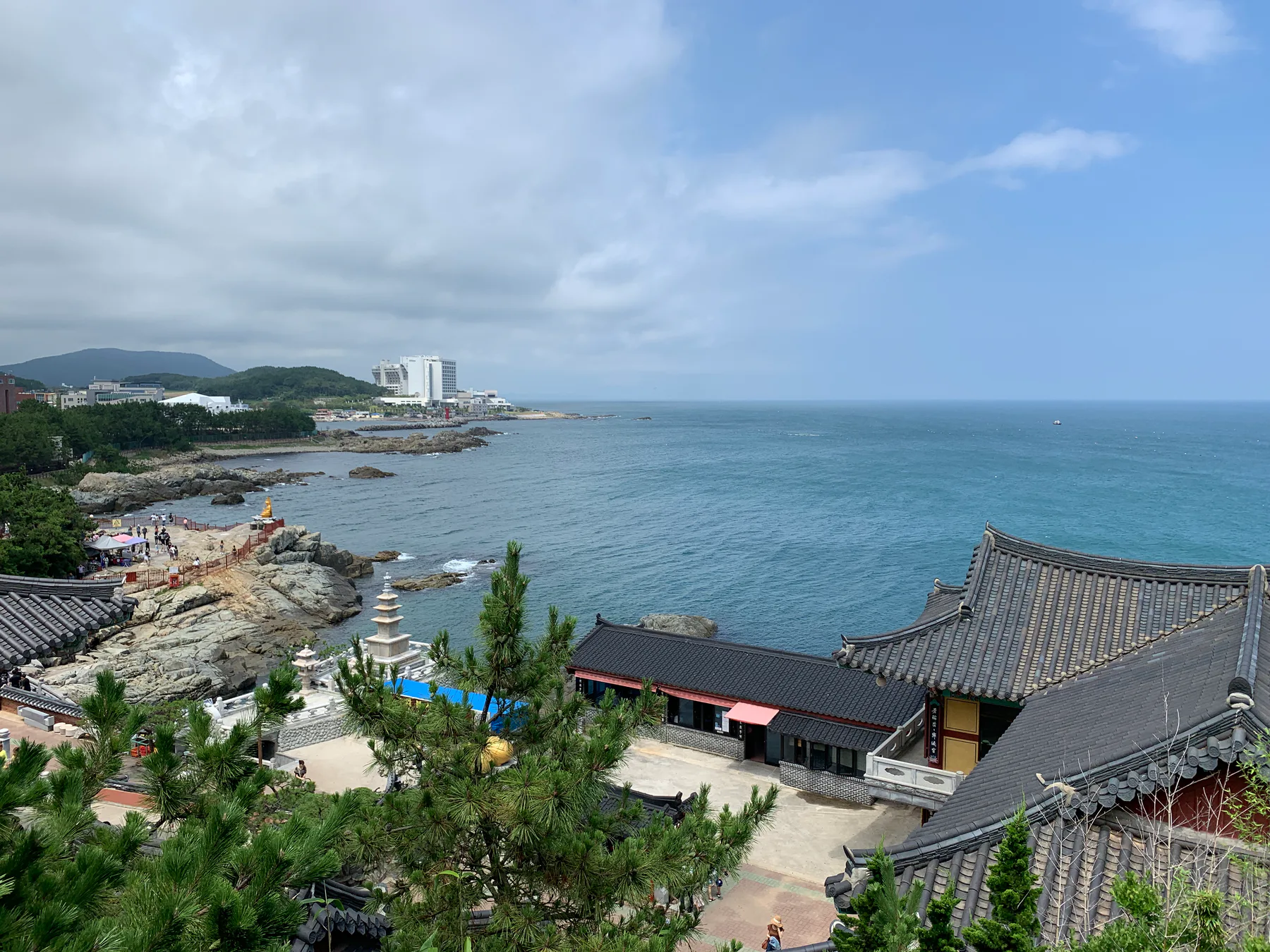
The temple by the sea was the place I liked most. Busan gave the trip a final mix of satisfaction, tiredness, excitement about going home, and sadness that it was ending.
What stayed with me
Korea was calmer than China, but it carried its weight differently: market steam after a red-eye, someone walking with me through a forest, old landmarks lit at night, long bus rides, coastal air, and food that felt less like fuel and more like a welcome.
It was not one big shock. It was a trip that kept changing temperature.
Memory ledger
Favorite place
Haedong Yonggungsa, Busan
Best memory
An older man near Donghwasa becoming an unexpected guide
Memorable food
Gwangjang market food and Jeonju bibimbap
Favorite historical place
War Memorial of Korea, understood differently after Donghwasa
Route
- 01Seoul
- 02Jeonju
- 03Daegu
- 04Gyeongju
- 05Jeju Island
- 06Busan